
Brand Story Archives - brandkahani.com

Brand Story

Brand Story

Nua

Nua: The Brand That Refused to Treat Women’s Health Like an Afterthought A Company That Started By Asking a Question Millions of Women Were Never Asked Nua Prioritises Women’s Health Without Making It Secondary A Company Born From a Question Women Had Never Been Asked Month after month, life looked identical for countless women across India. Ever since anyone could remember, their routines followed the same quiet pattern. Later that day, the store receipts showed a pack of sanitary pads among the items they picked up. They used them. Out went the old ones. Gone were the pieces once kept nearby. Each month, once again, the same pattern returned without warning. Simple. Routine. Unremarkable. For now, anyway, that’s what companies seemed to believe. Yet underneath the habit lay something real, though no one cared to mention it. Women complained about discomfort. Finding items that fit well felt hard for them. Water seeped through, skin stung, faces flushed red – each moment piled on more hassle than the last. Still, the items changed almost not at all. Floating through the frames, women spun slowly in white gowns as the ads played. The fabric caught light like mist under moving spotlights. Out of the box came a quiet boast. It wore its claim like stiff new shoes. Freedom was something those companies mentioned again and again. Most businesses ignored female voices back then. Still growing fast, this market now ranks among the nation’s biggest, yet somehow stays out of touch with its own customers. People keep buying, but the connection feels off, like a conversation where only one side is listening. Menstrual care was everywhere. Out of sight, talks on period care didn’t exist at all. For a long time, that clash stayed silent within India’s communities. It was only when younger business builders started wondering about something else. What if women’s wellness weren’t simply a product category? Could it be that this everyday moment has just slipped under the radar, ready to be built anew? One day, someone asked a question – this sparked what became Nua. What began as a venture into one of India’s most traditional markets soon revealed something surprising. Not profits from pads or hygiene items drove change. Instead, real impact came through conversation where none had existed before. Silence around menstruation cracked open not by product alone. Education slipped in alongside supplies. Trust was built slowly through honest talk in places people avoided. The act of listening turned out louder than selling ever was. Trust began to grow slowly between them. Where quiet ruled, placing faith became an act of rebellion. The Origin Story Looking Past the Product Out of nowhere came Geetansh Bamania – founder, investor – one who set things in motion. His path shaped what followed, though not by plan but momentum. A vision took root quietly, without fanfare. From small steps grew something others would later name Nua. Years passed with Bamania shaping companies, learning how people choose what to buy – long before Nua came into play. He knew markets. He understood operations. He understood growth. Yet much like other founders, it was seeing something firsthand – not data on a screen – that led to what would become Nua. Slowly, talk about women’s health began shifting in cities across India – then it hit clear. One truth stood out. Women never shaped the blueprint of this field. It grew without them in mind. It was designed around products. Companies focused on manufacturing. Distribution. Pricing. Advertising. A handful paid attention to what women really went through. Most missed it entirely. That distinction mattered. Turns out, once the group began digging into the topic, a strange pattern came to light. Not every woman looked for identical things. Body types varied. Flow patterns varied. Comfort preferences varied. Lifestyle habits varied. Still, most companies stuck to one-size-fits-all options. Back then, most women had to fit the product. Not once did the design change to match their needs. Products stayed rigid. Lives bent around shapes never made for real bodies. Change came too late for many. What should have shifted was stuck. Few options ever truly followed life’s form. It hit me one day – what came next shaped everything about Nua. Building yet another brand of sanitary pads held no interest for them. They wanted to build a women’s wellness brand. A quiet shift hides between the lines. A huge gap shows up when doing it for real. The Problem They Aimed to Fix An Industry Built on Guesswork Years passed before anyone questioned how periods were managed across India. Everybody fits just one way. Reality refused to follow the plan. What actually happened made a mess of things. Women experienced menstruation differently. Longer pads found favour among certain users. Others prioritised comfort. Many required coverages through the night. Some people had trouble because their skin reacted easily. Some folks expected clearer details along with direction. Still, plenty of companies pushed items into stores instead of learning what people actually wanted. Something shifted. It wasn’t about connection anymore – just exchanges. Each moment felt like a trade. Meaning slipped away slowly. Now it runs on deals, not depth. Women bought products because they had to. It wasn’t their affection that drove it. Rather, something else entirely held weight back then. It wasn’t due to a sense of being heard. Not due to any bond with the name on the label, that much is clear. Frustration held a chance, Nua realized. Inside the irritation, something useful waited. Not everyone noticed it – she did. Something larger than a basic product line might emerge when personal touches meet real talk about women’s health. Industry and Market Overview Joining a Market Full of Big Players It stood out right away, that hurdle. Into new territory, Nua wasn’t stepping. Into it stepped a force shaped by giants among global makers of everyday products. On the store floor, it was mostly names people already knew that took up space. They controlled distribution. Money for ads answered to them. Control of what people knew rested

Brand Story

Chumbak

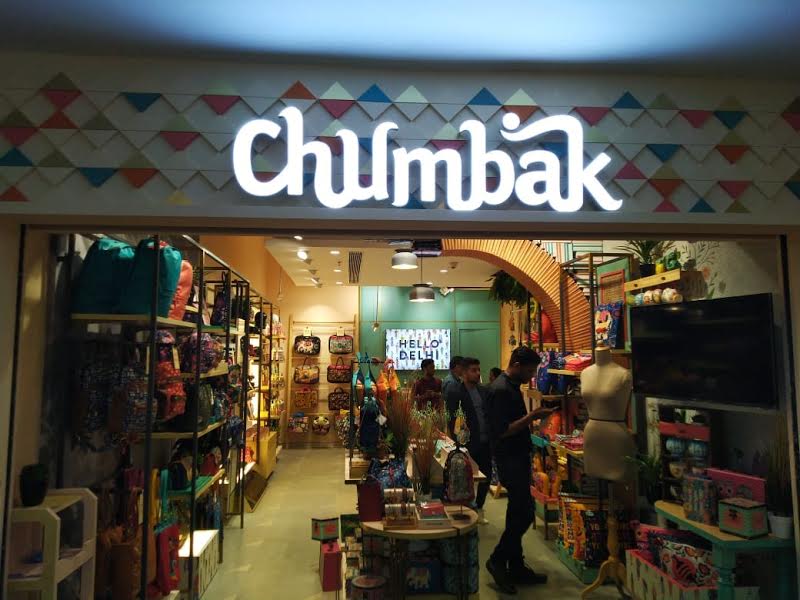
Chumbak: The Brand That Painted India in Its Own Colours While Others Faced West, Chumbak Turned Within By the end of the 2000s, odd shifts began showing up across parts of India. Faster growth began showing across the nation’s economy. Folks started spotting shopping malls in big cities everywhere. Yet each one seemed to pop up almost overnight, like they’d been there forever. Into every corner came global names, pouring in without pause. Across India, youth began reaching higher for what they wanted. A web of digital links tied them closely to global ways of living. New ideas from abroad reached them faster than at any time in the past. Beneath it all, something felt off. A quiet confusion lingered where clarity should have been. Open the door to today’s living space – Scandinavian-style pieces greet you there. Furniture shaped by Nordic design fills the rooms quietly. Step into any shop that sells everyday goods, and items shaped by cities like New York, Paris, London, or Tokyo often stand out. Yet these places leave their mark without saying a word through design alone. Fashion trends took centre stage, while global looks shaped much of what people discussed. Later on, appearing up-to-date started meaning you looked like you came from somewhere else. Everywhere you looked, India showed up – just not in the things folks actually owned. Colour spilt across the roads in every direction. Festivals there burst with energy. Sound spilled everywhere through its culture, voices rising, always catching attention. Expression came fast, unfiltered, impossible to ignore. Fascination never faded, curiosity sparking fresh each time. Still, everyday items are mostly overlooked such depth – or flattened it into worn-out clichés. Out of nowhere, silence took over a place that once sang loudly. Then came stillness, where colours used to jump. A voice vanished from streets that never stopped talking. Something shifted when noise turned into nothing. Where rhythm lived, now only echoes remain. It caught on fast among regular folks. Two people didn’t. That quiet no turned into Chumbak, slowly. A company that started with souvenirs. What began as just a name slowly grew beyond products. It slipped into daily habits, shaped choices, and lived through routines. Not planned, yet it settled into the rhythm of life itself. A shift unfolded behind the scenes, reshaping how young Indians saw their own visual culture. The Origin Story Two Friends Notice Something Strange Out of nowhere, a journey started between Vivek Prabhakar and Shubhra Chadda. Not long after meeting, their paths twisted into something different. Instead of chasing usual jobs, they leaned toward building something real. What came next grew slowly, shaped by small choices. One idea led to another, then to a name: Chumbak. Moments like these rarely make noise at first. Starting out, their goal wasn’t to create a name known across the country. Just like plenty of founders who eventually make it big, recognition wasn’t the first thought on their mind. Building something widespread didn’t even enter the picture at the beginning. Their early days held no grand vision of national reach. What began small had no hint of what would come later. Fame and scale arrived without being planned from the start. Frustration was where they started. Out on the road, meeting travelers, a pattern jumped out – something they just could not look past. Finding keepsakes from India sometimes leaves travelers empty-handed. Out here, nothing stood out – each item blended into the next like it was never meant to be noticed. Imagination was missing from the designs. It didn’t spark anything. A flat moment, really. This twist stood out clearly since India, in fact, turned that idea upside down. Only a handful of nations match India’s depth of imagery. Everywhere sat splashes of color. Stories everywhere. Art everywhere. Characters everywhere. Out on India’s roads, even a single moment held more character than every item listed in glossy brochures put together. Still, that spark never showed up in today’s everyday items. The founders kept asking themselves: What makes a nation known for striking images sell keepsakes that vanish from memory? A place famous for bold looks somehow offers trinkets nobody recalls. Strong imagery everywhere, yet the small items you take home lack impact. Famous for vivid design, still its mementos disappear fast. Looks define it, though what you carry back fades quick. That question lingered. Then it evolved. A spark of interest turned into something more when chance showed up. Suddenly, what felt like just looking around began opening doors. Later on, it turned into a business. The Problem They Aimed to Fix Once upon a time, India held deep traditions. These needed retelling for new ears. What tripped things up was never a shortage of tradition in India. Too much sat inside it, heavy and thick. Translation caused the trouble. Stuck in old ways, traditional Indian goods rarely moved forward. Across borders, goods often seemed out of step with daily life where people lived. People ended up picking one of two very different options Traditional but outdated. Yet today’s look lacks tradition. Still, it feels current without roots. A whole generation lived through both of those times. Some young people from India felt at home anywhere in the world. Across borders, their eyes followed stories not made at home. Across the world, things moved in similar ways. They traveled abroad. Yet their roots remained tied to India. A few big names in fashion just ignored how things really were. Out of nowhere came a quiet shift – people sought things familiar yet fresh. A gap opened where brands hesitated to step. Comfort mattered, but so did change. Roots stayed strong even as tastes moved forward. Silence filled the space between tradition and now. It hit them – people weren’t looking to lose pieces of India. India was meant to be seen anew. More contemporary. More playful. More confident. Life today fits better with this idea. Chumbak started because of that one clear thought. Industry and Market Overview Design Firm in a Tech Driven Startup Era Back then, India felt different from what it does now. Picture the scene just after 2010. Most

Brand Story

Boat

Boat: The Startup That Sold Lifestyle Instead of Earphones The Day India Stopped Buying Gadgets and Started Buying Identity Back then, around 2010, loads of people in India walked around with phones that cost a small fortune in local currency. Smooth lines ran along the devices they carried. A quiet hum of new tech sat in their pockets. Powerful. Aspirational. Yet dangling from those same devices came flimsy headphones cracking in months, chargers splitting open by week two, extras tossed on without care. Folks stayed silent on their account. They were ignored by everyone. Accessories were boring. They were commodities. Items folks picked up only after their previous versions gave out. Buried within that overlooked slice of the gadget world sat a chance valued at many billions. Some folks just missed what was right there. Not everyone noticed the thing others overlooked. Yet a pair of founders made it happen. It wasn’t about creating groundbreaking tech. Building the next smartphone wasn’t their goal. Not racing against Silicon Valley. Their path pointed elsewhere. Yet what caught their eye was oddly straightforward What mattered most to young Indians was tech gear matching their identity. One day, that idea helped turn an unknown company into a household name across India. The company was Boat. Its tale does not center on headphones at all. Understanding culture more deeply sets some apart. Others just miss what’s underneath. It’s about branding in a world obsessed with products. Proof comes when you find value where others look past. Hidden chance lives in places people overlook without thinking twice. The Origin Story Two Founders Seeing a New Challenge Back in 2016, two guys – Aman Gupta and Sameer Mehta – started Boat together. Though not much fanfare at first, their idea slowly took shape over time. From that point on, things moved step by step without rushing. The early days were quiet, yet full of steady effort. What began small eventually found its path forward. At first glance, they seemed too ordinary to shake things up. One wasn’t aiming to be the new Steve Jobs. The other had no such plan either. Built-in advances never came from crafting bold new machines. From their work came a mix of know-how in commerce, moving goods, and insights into what people want. Years went by while the two future founders watched India’s way of selling gadgets. Early on, they noticed patterns that few paid attention to. What came next grew from those quiet observations. Long before any product launched, their thinking took shape. The idea formed slowly, shaped by what they saw daily. Every time, it was like déjà vu all over again. Consumers spent significant amounts on smartphones. Yet getting extras felt like hitting a wall every time. Bent too often, charging cables snapped fast. Earphones felt disposable. Not every portable charger worked when needed. Some failed at the worst moments. Some items felt suspicious because they cost so little. Others demanded a price that just didn’t make sense. Either things stood clear, or they didn’t make sense at all. Surprisingly, the creators thought tech had already reached that market well enough. Emotionally, it never got what it needed. Back then, extra functions weren’t what folks were after. Something sleek caught their eye – smooth under the fingers, fitting how people live now. A new look started making sense when touch met purpose. One thought led straight to Boat. It started there, without warning. From that moment on, everything shifted slightly. The idea took shape slowly, then suddenly made sense. That point marked where it all began. The Problem They Aimed to Fix Accessories Were Never a Priority Years passed before gadget makers turned their eyes away from big machines. Phones received attention. Laptops received attention. Televisions received attention. Accessories rarely did. Consumers faced three recurring frustrations: Out of nowhere, stores began stacking shelves with copycat items. A wave of sameness rolled through aisles, one look-alike after another piling up where originality once stood. Most lacked personality. Most lacked trust. Most lacked aspiration. Something caught the founders’ attention. A chance appeared. They noticed it early. What if accessories weren’t treated as commodities? Imagine treating them like everyday choices people make just because they fit how they live. This question turned into what set Boat apart. The Industry and Market Context India’s smartphone surge reshaping everyday buyers It came down to when things happened. Back when India was reshaping its digital landscape, a boat began selling online. Phones that cost less began showing up everywhere. Faster connections began spreading fast – people everywhere started going online more often. Streaming platforms were becoming mainstream. Online ways of listening began taking hold. Music moved where people spent time now. Games on phones started getting more popular. Every day, people leaned more on social media. It slowly became part of routine moments. A fresh wave of tech-savvy users began shaping how things moved online. Not like the ones before them, these shoppers stood out in their own way. They were: The market was enormous. Yet still packed with people. Big names such as Sony, JBL, and Samsung had long held strong positions in the world of everyday electronics gear before others even entered the scene. Some new companies might steer clear of crowded markets. Yet stepping into a packed field isn’t always off the table. Toward it the boat moved fast. early challenges and first attempts Nobody Was Waiting for Another Electronics Brand Building a business around gadgets in India began without sparkle. Folks putting money in didn’t buy it right away. Most people had never heard of the name before. A fresh company didn’t offer much comfort to stores. Hard times hit the creators right away. Building trust was non-negotiable, so they shaped their path carefully. Credibility didn’t come fast – each step counted twice. When a clothing item doesn’t work out, people might still give it another chance. When a gadget breaks, buyers usually walk away for good. The early years involved countless operational challenges: Every mistake carried consequences. Making mistakes costs more when you build things people

Brand Story

Blue Tokai Coffee Roasters

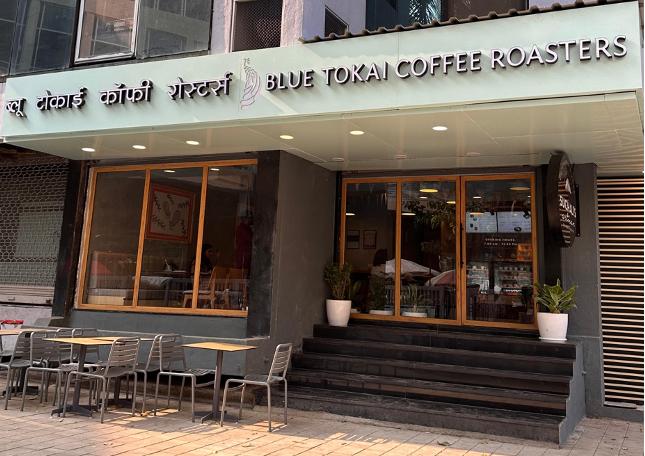
Blue Tokai: The Startup That Taught India to Taste Coffee Again The Morning India Saw Coffee As Something Beyond Coffee Years went by while coffee stayed under wraps across India. Inside the kitchen, near where sugar waited in neat rows, it held its place on the shelf. Ready at hand when time pressed hard against morning routines. Mixed fast with boiling water while coats were grabbed and keys found. Never surprising. Always there. Doing what it always did. Where it came from wasn’t something most folks wondered about. It didn’t cross their minds whose land had produced it. One day, it just hit them – roasting profiles weren’t even on their radar before. Chocolate, berries, nuts – those flavours came up once, maybe never at all. Citrus stayed out of it completely. Coffee tasted like nothing special back then. A little startup showed up one day. It posed a question – it seemed ridiculous back then. One nobody thought mattered much What if Indians experienced coffee the way wine lovers experience wine? One day, someone asked a simple thing – this small moment quietly lit a fire under how India drinks coffee, shaping tastes across cities while building something big without shouting about it. A name stood out – Blue Tokai Coffee Roasters. That one belonged to the business. This tale goes beyond just selling coffee. Curiosity steps forward when rules dig their heels in. A quiet push against what everyone assumes. A story about changing habits that had existed for generations. A story about convincing an entire market that there was a world hidden inside every coffee bean. The Origin Story Two Founders One Observation Blue Tokai was founded in 2013 by Matt Chitharanjan and Namrata Asthana. One came from a small town, yet noticed the same thing as someone raised in a busy city. They both saw it clearly, even though their lives looked nothing alike. Back when the sun baked the southern slopes, India stood tall among global coffee giants. Out of Karnataka, Kerala, and Tamil Nadu came beans so fine they reached ports far beyond their slopes. One harvest after another made its way across oceans, quietly shaping tastes overseas. Oddly enough, plenty of people in India hadn’t tasted the finest coffee grown right there at home. Across towns such as Seattle, Melbourne, London, or San Francisco, unique coffee scenes took root – yet in India, instant brews and old-style filter versions held firm. Despite shifts elsewhere, familiar routines stayed strong on the subcontinent. Fascination struck them when they spotted the mismatch. The odd clash held their attention tight. What if a nation raised top-grade coffee yet stayed apart from its own harvest? It never left their mind. Later on, things shifted into something people paid for. Origins of the Name Just hearing “Blue Tokai” gives a hint about where it began. It points toward something deeper without saying much at all. High up in the Himalayas lives a bird called the blue whistling thrush. Locals give it another name – Blue Tokai. This creature sings with a clear, whistling call. Its feathers shine like wet slate when sunlight hits just right. People spot them near rocky streams, hopping between stones. The name sticks through generations, passed down in villages. Not much about it appears in books. Yet those who live there know its sound at dawn Out of all choices, they picked something rooted in India yet sharp enough to stick. Not just familiar but different too. A name shaped by culture, though not limited by it. That moment showed what they truly believed. This isn’t about bringing someone else’s coffee scene into the country. A celebration of Indian coffee might become its core identity. The Problem They Aimed to Fix It was never about coffee being absent in India. It started with nobody really knowing much about coffee in India. Most people could hardly see what was going on Coffee was now just another product bought and sold like grain or metal. Back in their hands, the idea became about feeling again. Old ways of making coffee prioritised speed over taste. Quality mattered most to Blue Tokai. That’s why they chose to give back where it counted. It involved teaching people who had no idea that learning was necessary. Building it tends to be tougher than most realise. It’s not the item that’s hard. Instead, it’s how people approach it that trips them up. Because the mindset shift is. The Industry They Stepped Into A Market Where Big Players Control Back then, folks already sipped coffee across India when Blue Tokai arrived. Far from it. Out there, big names had long claimed most shelf space. Familiar brands earned trust from shoppers. Still, prices weighed heavily on buyers’ minds. Tea held more appeal than coffee across large parts of the nation. Still, sipping on beans lagged behind leaf brews. Not until later did dark roasts gain real ground. Habit leaned toward steeped greens, not steamed grounds. Popularity tilted firmly in favor of cuppa culture. Still, big brands ran most cafes, offering atmosphere before taste. Yet coffee mattered less than the vibe they created. Even so, people came more for the scene than the drink. Often, it felt like theaters serving espresso instead of plays. Out of nowhere, premium coffee barely reached beyond small groups when the founders stepped in. Specialty coffee wasn’t a trend. Just short of being named. One step from nothing. So it turned out Blue Tokai had no real rivals to worry about. Backed by routine, their challenge stood firm. early challenges and doubt Convincing customers took more effort than roasting coffee What came first wasn’t about finding beans. India already had excellent farms. It wasn’t easy getting folks to open their wallets wide for beans just off the roast. People hesitated when prices jumped. Warm aromas filled the air, yet hesitation lingered at checkout. Higher cost met blank stares. Roasted rich, tasted richer – still, some walked away. Value took time to

Brand Story

The Souled Store

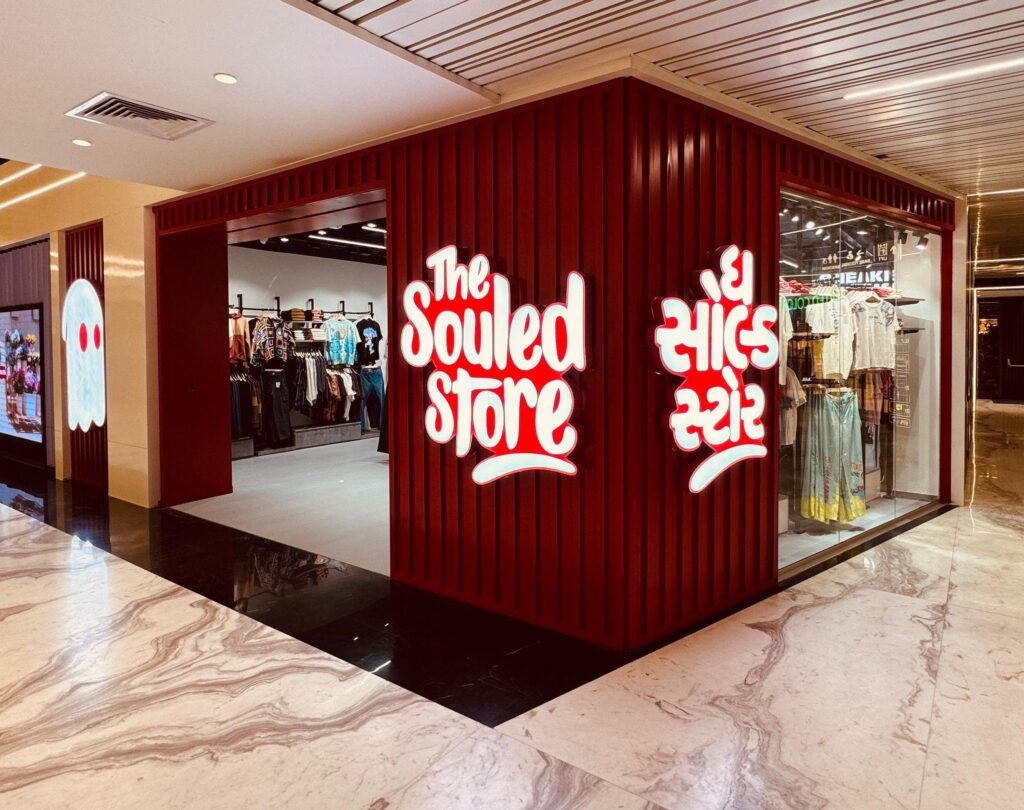
The Souled Store Story: How Three Friends Turned Fandom Into One of India’s Most Loved Youth Brands The Night They Realized India Was Wearing Boring Clothes Frustration came first. Not the ₹100-crore mark, not team-ups with Marvel, neither viral fame nor stars buying what was made. Long before any of that, it began with something restless, unshaped – just irritation refusing to settle. Nothing like those big, flashy moments. The quiet kind. It’s the sort piling up quietly, each time a teenager pulls open their closet doors and sees nothing but repeats. Back then, around 2010, fashion in India started moving fast. New malls popped up everywhere. International quick-style labels arrived one after another. Online buying slowly changed how people shopped. But city kids – particularly those in college, obsessed with trends, gaming, superheroes, or glued to the web – didn’t feel seen by what they wore. Every now and then, a few stood out despite the crowd of plain designs. Many companies seemed far away. Style ruled most clothing brands’ offerings Most stayed away from trading who people really are. Out there in Mumbai, a trio spotted a detail worth noting Fashion stopped being about mere outfits. What mattered shifted toward meaning instead. Wearing their favorite things mattered to them. Later on, that tiny moment of noticing something different started shaping what many young people in India now wear every day The Souled Store. Yet the tale behind The Souled Store isn’t centered on shirts at all. It’s about timing. Internet culture. Indian youth identity. Fandom psychology. A wave of people who’d waited years now stepped forward, voices lifting at last. The Founders Who Saw Culture Before Business Back in 2013, a group of four pals started The Souled Store: Vedang Patel, Harsh Lal, Aditya Sharma, and Dhawal Parikh. These new creators didn’t rise from old clothing dynasties. Instead, raised on memes and viral trends, they shaped style through digital intuition. Their roots grew not in factories but in forums. A generation glued to screens redefined what fashion could be. Behind their launches stood not boardrooms, but late-night chats and shared posts. Born into online worlds, they saw tastes shift before anyone else did. While past designers followed paths, these built theirs mid-step. Familiarity with youth pulse gave them an edge no manual taught. That gap made a real impact. What they had in mind wasn’t about high-end clothing. Copying European names wasn’t their goal. Not chasing dreams like most around here usually do. Yet deep down, they sensed a quiet truth Young Indians were becoming culturally global. Movie scenes played out before their eyes. On weekends, they’d watch shows from across the ocean instead. Games crossed borders through screens. Their fingers danced on controllers far from home soil. They consumed anime. They quoted memes. They lived online. Yet Indian fashion labels carried on as if the digital wave had simply skipped them. Still, they moved forward untouched by online shifts others embraced fast. Out of that space stepped a chance. Out of nowhere, stories like Marvel or Harry Potter started tugging at feelings. FRIENDS showed up everywhere, tucked into daily chats. Batman wasn’t just a character, more like a mood. Gaming worlds pulled fans close, almost personal. TV series became quiet companions. Even memes began shaping how folks felt about things. Internet culture? It quietly wove itself into emotions. Deep affection for these worlds existed long before now. Fashion from India never quite captured how people feel inside when they wear it. A deep connection stayed missing, hidden between threads and fabric choices. It hit them suddenly – they were never getting into clothes at all. Into the identity game they stepped. A new chapter began without fanfare. India’s Fashion Industry Was Growing — But Emotionally Hollow To understand why The Souled Store worked, you have to understand India in the early 2010s. This was the time when: Fashion, though, stayed behind the times. Big names usually put effort into things like these A handful of companies ever really got how young people online actually talk. Most just missed the mark completely. Few people ever took fandom seriously. Back then, rocking superhero gear in India often drew sideways glances. Still, some folks saw it as something only kids would do. Meanwhile, anime fans stuck out like sore thumbs – rare, quiet, tucked away. Gamers? Hard to find anything that wasn’t generic or falling apart. On top of that, pop-culture clothes were tough to get locally – if they showed up at all, they came stuffed in imported boxes with sky-high tags. Ready to speak up, young people across India felt a shift inside. Yet the world outside stayed slow to notice. Timing turned out to be the whole story. The Original Idea Was Simple Started without much fanfare, The Souled Store’s original concept didn’t break new ground in how it made money. Sharp edges cut through the feeling. Emotion bent under its weight. The moment did not soften. Officially approved pop-culture gear, styled to fit regular outfits without trying too hard. Fashionable, yet clearly tied to beloved franchises through subtle design choices. Worn daily, not saved for special moments. Recognition built into the look, but never loud about it. Clothes that belong just as much on the street as they do at a fan event. Everything shifted because of that difference. Back then, items people sold usually came across as flashy, low quality, or something you’d wear just for pretend. Style mattered more than looking young at The Souled Store. Out of the gate, these folks put their energy into tees splashed with bold visuals drawn from – Yet their uniqueness came from more than permits alone. Design made sense here. Sensibility shaped it. Fandom meant something different to each person, they realized. Not one-size-fits-all feelings shaped it – individual moments did. Their insight came quietly, without grand announcements. Most folks turned away from huge, loud branding. Loud symbols lost their appeal fast. Big lettering felt too much. Shouting designs faded out. Attention shifted quietly elsewhere. Subtle hints were what they had in mind. Inside jokes. Minimalist designs. Smart typography. Wearable storytelling. Feelings grew closer when people connected with the company on a personal level. A Marvel fan purchasing from The

Scroll to Top