
Blue Tokai: The Startup That Taught India to Taste Coffee Again
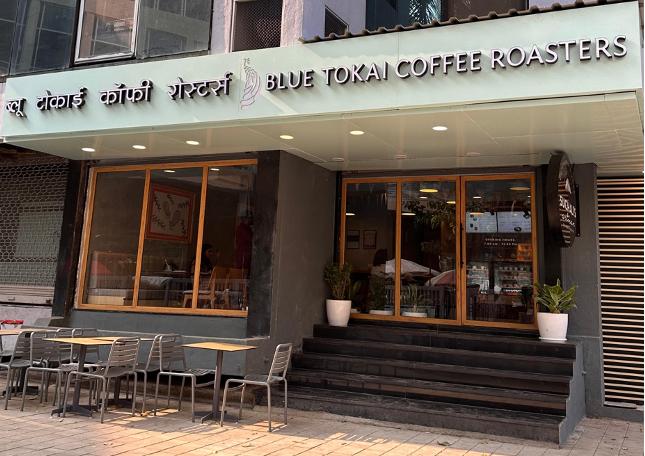
The Morning India Saw Coffee As Something Beyond Coffee
Years went by while coffee stayed under wraps across India.
Inside the kitchen, near where sugar waited in neat rows, it held its place on the shelf. Ready at hand when time pressed hard against morning routines. Mixed fast with boiling water while coats were grabbed and keys found. Never surprising. Always there. Doing what it always did.
Where it came from wasn’t something most folks wondered about.
It didn’t cross their minds whose land had produced it.
One day, it just hit them – roasting profiles weren’t even on their radar before.
Chocolate, berries, nuts – those flavours came up once, maybe never at all. Citrus stayed out of it completely.
Coffee tasted like nothing special back then.
A little startup showed up one day. It posed a question – it seemed ridiculous back then. One nobody thought mattered much
What if Indians experienced coffee the way wine lovers experience wine?
One day, someone asked a simple thing – this small moment quietly lit a fire under how India drinks coffee, shaping tastes across cities while building something big without shouting about it.
A name stood out – Blue Tokai Coffee Roasters. That one belonged to the business.
This tale goes beyond just selling coffee.
Curiosity steps forward when rules dig their heels in. A quiet push against what everyone assumes.
A story about changing habits that had existed for generations.
A story about convincing an entire market that there was a world hidden inside every coffee bean.
The Origin Story

Two Founders One Observation
Blue Tokai was founded in 2013 by Matt Chitharanjan and Namrata Asthana.
One came from a small town, yet noticed the same thing as someone raised in a busy city. They both saw it clearly, even though their lives looked nothing alike.
Back when the sun baked the southern slopes, India stood tall among global coffee giants.
Out of Karnataka, Kerala, and Tamil Nadu came beans so fine they reached ports far beyond their slopes. One harvest after another made its way across oceans, quietly shaping tastes overseas.
Oddly enough, plenty of people in India hadn’t tasted the finest coffee grown right there at home.
Across towns such as Seattle, Melbourne, London, or San Francisco, unique coffee scenes took root – yet in India, instant brews and old-style filter versions held firm. Despite shifts elsewhere, familiar routines stayed strong on the subcontinent.
Fascination struck them when they spotted the mismatch. The odd clash held their attention tight.
What if a nation raised top-grade coffee yet stayed apart from its own harvest?
It never left their mind.
Later on, things shifted into something people paid for.
Origins of the Name
Just hearing “Blue Tokai” gives a hint about where it began. It points toward something deeper without saying much at all.
High up in the Himalayas lives a bird called the blue whistling thrush. Locals give it another name – Blue Tokai. This creature sings with a clear, whistling call. Its feathers shine like wet slate when sunlight hits just right. People spot them near rocky streams, hopping between stones. The name sticks through generations, passed down in villages. Not much about it appears in books. Yet those who live there know its sound at dawn
Out of all choices, they picked something rooted in India yet sharp enough to stick. Not just familiar but different too. A name shaped by culture, though not limited by it.
That moment showed what they truly believed.
This isn’t about bringing someone else’s coffee scene into the country.
A celebration of Indian coffee might become its core identity.
The Problem They Aimed to Fix
It was never about coffee being absent in India.
It started with nobody really knowing much about coffee in India.
Most people could hardly see what was going on
- where beans came from,
- who grew them,
- what heat had done to them,
- why flavour varied,
- What freshness really was, though? That stayed unclear.
Coffee was now just another product bought and sold like grain or metal.
Back in their hands, the idea became about feeling again.
Old ways of making coffee prioritised speed over taste.
Quality mattered most to Blue Tokai. That’s why they chose to give back where it counted.
It involved teaching people who had no idea that learning was necessary.
Building it tends to be tougher than most realise.
It’s not the item that’s hard. Instead, it’s how people approach it that trips them up.
Because the mindset shift is.
The Industry They Stepped Into

A Market Where Big Players Control
Back then, folks already sipped coffee across India when Blue Tokai arrived.
Far from it.
Out there, big names had long claimed most shelf space.
Familiar brands earned trust from shoppers.
Still, prices weighed heavily on buyers’ minds.
Tea held more appeal than coffee across large parts of the nation. Still, sipping on beans lagged behind leaf brews. Not until later did dark roasts gain real ground. Habit leaned toward steeped greens, not steamed grounds. Popularity tilted firmly in favor of cuppa culture.
Still, big brands ran most cafes, offering atmosphere before taste. Yet coffee mattered less than the vibe they created. Even so, people came more for the scene than the drink. Often, it felt like theaters serving espresso instead of plays.
Out of nowhere, premium coffee barely reached beyond small groups when the founders stepped in.
Specialty coffee wasn’t a trend.
Just short of being named. One step from nothing.
So it turned out Blue Tokai had no real rivals to worry about.
Backed by routine, their challenge stood firm.
early challenges and doubt

Convincing customers took more effort than roasting coffee
What came first wasn’t about finding beans.
India already had excellent farms.
It wasn’t easy getting folks to open their wallets wide for beans just off the roast. People hesitated when prices jumped. Warm aromas filled the air, yet hesitation lingered at checkout. Higher cost met blank stares. Roasted rich, tasted richer – still, some walked away. Value took time to sink in. Freshness had a price tag few expected.
Most customers saw little difference between instant coffee and specialty coffee.
Coffee meant one thing only: getting caffeine into their bodies.
Explaining ideas was tough when most people had never come across them. What seemed obvious now felt strange back then. These creators broke down thoughts like translating a foreign language. One step at a time, confusion gave way to understanding. Hard work made unfamiliar things feel normal
- roast dates,
- single-origin beans,
- brewing methods,
- freshness,
- flavor profiles.
Learning got built into what was sold.
A single moment with someone buying could teach more than hours of planning. What people asked showed where things truly stood.
Growth was slow.
Just that something else lingered more.
Becoming different moves slowly.
Building Trust From Scratch
Unlike established FMCG giants, Blue Tokai had no massive advertising budget.
No celebrity endorsements.
No nationwide distribution.
No inherited brand trust.
It took work to win each person over.
Just one sack of beans each go-round.
Take just one suggestion. Then stop.
Just one talk, now then next.
Years passed while the company grew trust by doing things the same way every time. Instead of loud promises, quiet reliability did the work.
The First Product

Freshly Roasted Coffee Delivered Directly
Surprisingly simple, Blue Tokai’s first product caught many off guard.
Brewed each morning from beans plucked straight off southern hillsides. Roasted slow to keep the earthy warmth alive. Grown without middlemen, just farmers tending rows under monsoon skies. Every cup traces back to red soil and careful hands.
Today, it seems almost too clear to even say out loud.
Back then, things just weren’t that way.
Freshness used to mean little to most people drinking coffee.
Freshness stood out at Blue Tokai, clear to see right away.
Freshness mattered more when picking coffee, so people chose beans roasted just days before instead of ones stored long-term in warehouses.
A tiny change like that turned how customers felt completely around. Suddenly, everything about using it just made more sense.
Out of nowhere, the coffee seemed sharper. The flavor popped more than before.
Richer.
More complex.
Fresh brew surprised those certain they hated coffee. Turns out bitterness wasn’t the bean – it was age.
It hit them – that idea alone pushed Blue Tokai forward like nothing else.
The Growth Journey
Word of Mouth Turned Into the Driving Force
It took time for Blue Tokai to grow. Slow steps built what it is today.
Slower that way, unfolding bit by bit like roots spreading under soil. More natural in how it moved forward, without force or rush.
Customers discovered the brand.
Later came introductions – faces passed between hands, names exchanged like loose change.
Later on, some of these people started buying what we offered. People who once just hung around now trusted the work enough to pay for it.
Something strong gave the business an edge
Surprises spark chatter when they boost how smart someone seems.
A different kind of brew sparked this shift all on its own.
Customers became educators. Each fan turned into a walking ad without trying.
The Café Expansion Strategy

One day it hit Blue Tokai – there was a truth they hadn’t seen before. They’d been missing what mattered most.
Coffee lessons moved quicker face to face.
From there, cafes started appearing one after another.
From the start, they aimed at more than just selling things.
They became classrooms.
Places where customers could watch brewing methods.
Ask questions.
Learn about farms.
Understand flavor.
Nowhere else did the shift feel more real than inside those small cafés. They carried Blue Tokai beyond beans, past brewing. A quiet move happened when people started sipping stories with their cups. Each location pulled the brand deeper into moments, not just products. Space by space, the idea of coffee changed shape.
Growth jumped – clear difference doing the push.
The Marketing Strategy That Didn’t Seem Like Marketing

What makes Blue Tokai truly stand out isn’t found in its actions, but in its silence – what stayed untouched speaks louder.
Instead of loud ads, it found its way quietly.
Chasing viral trends was never part of its plan.
Someone else shaped it, not a famous face. It grew without star power pulling strings behind the scenes.
Yet its attention landed firmly on skill.
Its marketing revolved around:
- transparency,
- storytelling,
- education,
- craftsmanship,
- and authenticity.
Back then, they saw what most companies miss today
People trust teachers.
Blue Tokai turned into a guide of sorts.
Its content explained brewing techniques.
Farm facts stood out right on the box.
Curiosity found a home inside its quiet cafés.
The company wasn’t merely selling coffee.
People began seeing coffee more clearly because of it.
Branding Through Simplicity
Looks held weight too.
A fresh look came from the wrapper. It held a sharp appearance without clutter.
Modern.
Minimal.
Confident.
Nothing felt flashy.
Out of sight, this look still whispered luxury – never once crossing into snob territory.
Crucial was that balance. It mattered more than most noticed.
Approachability was what Blue Tokai aimed for.
Not intimidating.
Expert, but welcoming.
Sophisticated, but human.
The Financial Plan of the Business
Creating High End Value Where Cost Matters Most
Most new companies aim to get ahead by charging less.
Instead of following trends, Blue Tokai took a different path.
Standing out came naturally through higher value appeal.
This was risky.
India remains highly price-conscious.
Yet staying at the top helped keep quality firm.
Experience became the focus, not price tags. Blue Tokai leaned into how coffee feels, rather than what it costs. A shift happened quietly – taste, ritual, moment mattered more than savings. Price wars lost their appeal when warmth in a cup won attention instead.
The company gradually expanded revenue streams through:
- packaged coffee,
- subscriptions,
- cafés,
- brewing equipment,
- merchandise,
- and online sales.
By spreading things out, the setup leaned less on one path alone. Still, each piece played its part without relying too heavily on another.
Investor Confidence Shapes Expansion Efforts
When word spread about specialty coffee, eyes from the investment world started turning its way.
Funding began flowing in after investors showed interest. Growth picked up speed once the money arrived.
More cafés opened.
Distribution improved.
Technology systems matured.
Now it wasn’t about lasting anymore – it was about growing. What came next demanded more space, more reach. Size started to matter more than stamina.
These issues couldn’t be more unlike one another.
failures setbacks challenges
Every well-known company hits snags while expanding.
Blue Tokai faced numerous obstacles.
For a long time, only a few people drank high-end coffee.
Spending on schooling added up fast.
Getting customers proved tough.
Keeping the supply chain steady took ongoing work every single day. It never really stopped, always needing attention to stay on track.
Coffee taste changed because of things the business could not manage
- weather,
- harvest quality,
- farm conditions,
- logistics.
Meanwhile, competition intensified.
When specialty coffee caught on, a wave of new brands poured into the scene.
Soon others followed what Blue Tokai started. The space got busy fast.
Still, moving forward meant fresh ideas every step of the way. Yet staying true to what it was never slipped out of sight. Each change brought something new, though roots remained fixed all along.
Reinvention and Evolution
From Coffee Beans to Everyday Living
Back when Blue Tokai first started, people showed up just to buy beans.
Living a certain way matters more than just owning things now.
From small coffee batches, it grew beyond beans into lifestyle spaces. A quiet shift happened when taste met talk, then shaped habits. What began on counters now lives in conversations. Roasting stayed close, yet reach stretched wider. Culture carried it further than scent alone ever could.
Became hubs for laptops and notebooks, its cafés filled with people typing away.
Meeting places.
Creative hubs.
Community centers.
Out of nowhere, the name started showing up where you’d least expect – on kitchen counters, bus stops, even lunch breaks. Not just a thing people used anymore, but part of how they moved through the day.
Its importance grew fast after that shift. Suddenly, it mattered much more than before.
The Hidden Psychology Behind Customer Loyalty

What Blue Tokai does best might surprise you – it isn’t just about coffee.
Perhaps it’s just showing up.
Customers feel involved.
They learn.
Experiment.
Compare.
Discover.
Coffee shifts into something you collect, not just drink.
Feeling tied to something makes it matter more. When people care, they stay involved without even noticing.
Loyalty often grows where feelings are deeply involved.
It sneaks up on them, how loyalty forms without notice. One moment it’s just a product, next thing you know there’s comfort in seeing that name. Familiarity grows quietly, like roots under pavement. Preference settles in before they even register the shift. Recognition turns into reliance almost by accident.
They believe they’re becoming attached to a craft.
Blue Tokai benefits from both.
The Cultural Impact
Changing How India Thinks About Coffee

Most new companies fail to shift how people spend. A handful manage it.
Blue Tokai did.
That moment sparked wider interest in ideas previously tucked away in small circles
- single-origin coffee,
- specialty roasting,
- brewing equipment,
- coffee subscriptions,
- farm traceability,
- coffee appreciation.
An entire generation of urban consumers now discusses coffee differently because brands like Blue Tokai expanded the conversation.
Out of everyday beans, a world grew – one shaped by small moments, quiet rituals, people showing up again and again. Not through slogans, but steam rising in morning light, hands wrapping warm cups, voices speaking softly across tables. Well past the numbers, effects linger in quieter ways.
Then vs Now
In the beginning:
- Small roastery
- Limited awareness
- Niche audience
- Educational mission
Today:
- National presence
- Recognized specialty coffee leader
- Café network
- Strong community
- Category-defining brand
Now things looked different – way off from before. Size shifted hard, nothing like it was.
Still, the goal stayed much the same.
Help people experience better coffee.
What entrepreneurs might notice
1. Sometimes Markets Need Learning Before They Get Things
What made Blue Tokai work wasn’t pushing products – it started by sharing knowledge. Teaching came before transactions. Lessons opened doors that ads never could. People showed up not for pitches but for understanding. The brand grew once trust took root through education. Selling followed only after minds were engaged.
Education became a competitive advantage.
2. Authenticity Is Hard to Imitate
Competitors can replicate products.
Most people find it hard to build trust again once it is broken.
3. Premium Does Not Cost More
Premium means meaningful.
Price feels fair when people see what it buys them.
4. community outlasts advertising
Sharing what they found fueled the biggest rise, driven by passionate fans.
Folks started trusting what others said more than ads they saw on TV or online.
5. Great Brands Shift How People Act
Most top firms aren’t just meeting what people already want.
They create new habits.
Just like that, Blue Tokai made it happen.
Final Reflection

What lies behind Blue Tokai isn’t found in beans, shops, or gadgets. Instead, it hides between the lines of how people connect through a cup.
It’s about attention.
Pausing became the quiet rebellion. With every sip, time stretched just a little more. Rushing faded into background noise. Instead, moments grew richer, fuller, present. Slowness found its voice here.
To notice flavor.
To ask questions.
To appreciate craftsmanship.
To understand where something comes from.
It might seem like just a tiny change.
Yet some major companies once started through tiny changes in how people saw things.
Out of nowhere, Blue Tokai turned toward a land growing some of the planet’s best coffee – then posed one clear query
Indians tasting it?
Years after, you spot it in kitchens, living rooms, work desks, still talked about over coffee. A quiet presence, lingering where people gather.
It wasn’t about Blue Tokai moving bags of coffee beans. What mattered came later.
Yet it showed folks a way to live through it.