
Nua: The Brand That Refused to Treat Women’s Health Like an Afterthought
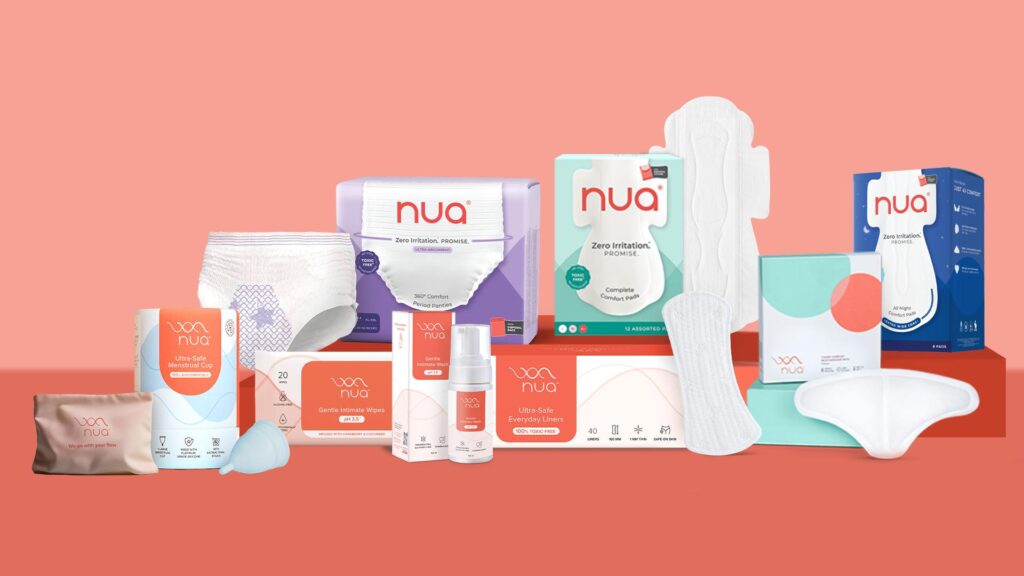
A Company That Started By Asking a Question Millions of Women Were Never Asked
Nua Prioritises Women’s Health Without Making It Secondary
A Company Born From a Question Women Had Never Been Asked
Month after month, life looked identical for countless women across India. Ever since anyone could remember, their routines followed the same quiet pattern.
Later that day, the store receipts showed a pack of sanitary pads among the items they picked up.
They used them.
Out went the old ones. Gone were the pieces once kept nearby.
Each month, once again, the same pattern returned without warning.
Simple.
Routine.
Unremarkable.
For now, anyway, that’s what companies seemed to believe.
Yet underneath the habit lay something real, though no one cared to mention it.
Women complained about discomfort.
Finding items that fit well felt hard for them.
Water seeped through, skin stung, faces flushed red – each moment piled on more hassle than the last.
Still, the items changed almost not at all.
Floating through the frames, women spun slowly in white gowns as the ads played. The fabric caught light like mist under moving spotlights.
Out of the box came a quiet boast. It wore its claim like stiff new shoes.
Freedom was something those companies mentioned again and again.
Most businesses ignored female voices back then.
Still growing fast, this market now ranks among the nation’s biggest, yet somehow stays out of touch with its own customers. People keep buying, but the connection feels off, like a conversation where only one side is listening.
Menstrual care was everywhere.
Out of sight, talks on period care didn’t exist at all.
For a long time, that clash stayed silent within India’s communities.
It was only when younger business builders started wondering about something else.
What if women’s wellness weren’t simply a product category?
Could it be that this everyday moment has just slipped under the radar, ready to be built anew?
One day, someone asked a question – this sparked what became Nua.
What began as a venture into one of India’s most traditional markets soon revealed something surprising. Not profits from pads or hygiene items drove change. Instead, real impact came through conversation where none had existed before. Silence around menstruation cracked open not by product alone. Education slipped in alongside supplies. Trust was built slowly through honest talk in places people avoided. The act of listening turned out louder than selling ever was.
Trust began to grow slowly between them.
Where quiet ruled, placing faith became an act of rebellion.
The Origin Story
Looking Past the Product

Out of nowhere came Geetansh Bamania – founder, investor – one who set things in motion. His path shaped what followed, though not by plan but momentum. A vision took root quietly, without fanfare. From small steps grew something others would later name Nua.
Years passed with Bamania shaping companies, learning how people choose what to buy – long before Nua came into play.
He knew markets.
He understood operations.
He understood growth.
Yet much like other founders, it was seeing something firsthand – not data on a screen – that led to what would become Nua.
Slowly, talk about women’s health began shifting in cities across India – then it hit clear. One truth stood out.
Women never shaped the blueprint of this field. It grew without them in mind.
It was designed around products.
Companies focused on manufacturing.
Distribution.
Pricing.
Advertising.
A handful paid attention to what women really went through. Most missed it entirely.
That distinction mattered.
Turns out, once the group began digging into the topic, a strange pattern came to light.
Not every woman looked for identical things.
Body types varied.
Flow patterns varied.
Comfort preferences varied.
Lifestyle habits varied.
Still, most companies stuck to one-size-fits-all options.
Back then, most women had to fit the product. Not once did the design change to match their needs. Products stayed rigid. Lives bent around shapes never made for real bodies. Change came too late for many. What should have shifted was stuck. Few options ever truly followed life’s form.
It hit me one day – what came next shaped everything about Nua.
Building yet another brand of sanitary pads held no interest for them.
They wanted to build a women’s wellness brand.
A quiet shift hides between the lines.
A huge gap shows up when doing it for real.
The Problem They Aimed to Fix
An Industry Built on Guesswork

Years passed before anyone questioned how periods were managed across India.
Everybody fits just one way.
Reality refused to follow the plan. What actually happened made a mess of things.
Women experienced menstruation differently.
Longer pads found favour among certain users.
Others prioritised comfort.
Many required coverages through the night.
Some people had trouble because their skin reacted easily.
Some folks expected clearer details along with direction.
Still, plenty of companies pushed items into stores instead of learning what people actually wanted.
Something shifted. It wasn’t about connection anymore – just exchanges. Each moment felt like a trade. Meaning slipped away slowly. Now it runs on deals, not depth.
Women bought products because they had to.
It wasn’t their affection that drove it. Rather, something else entirely held weight back then.
It wasn’t due to a sense of being heard.
Not due to any bond with the name on the label, that much is clear.
Frustration held a chance, Nua realized. Inside the irritation, something useful waited. Not everyone noticed it – she did.
Something larger than a basic product line might emerge when personal touches meet real talk about women’s health.
Industry and Market Overview
Joining a Market Full of Big Players
It stood out right away, that hurdle.
Into new territory, Nua wasn’t stepping.
Into it stepped a force shaped by giants among global makers of everyday products.
On the store floor, it was mostly names people already knew that took up space.
They controlled distribution.
Money for ads answered to them.
Control of what people knew rested in their hands.
Facing off head-on could only drain resources fast.
Nua needed a different strategy.
Meanwhile, shifts began shaping India from within.
E-commerce adoption was rising.
Direct-to-consumer brands were emerging.
Folks started feeling at ease ordering niche items through the web.
What stood out most was how young women started opening up about subjects older ones used to sidestep.
Fresh winds blew through trade streets. Old ways slipped away quietly. Business shapes shifted without warning.
The culture was changing.
It was right there where Nua showed up, on time without delay.
early challenges and beginning efforts
Trust First Scale Later
What really tripped things up had nothing to do with making the product.
It was trust.
Women’s health is deeply personal.
Month after month, folks stick to what works – trying something new just doesn’t pull them in.
Facing doubt wasn’t new, yet Nua met it again – this time from everywhere at once.
Why switch brands?
Could the items really turn out superior?
Could a startup compete with multinational corporations?
Spending big, the firm focused on talking with buyers. Customer chats became a priority after serious funding shifts.
Feedback loops became part of the business model.
Every complaint mattered.
Every suggestion mattered.
It was never just about bringing people in.
Understanding them had been the aim.
Yet knowing what buyers want costs a lot.
Costs add up fast when stocking goods.
Finding customers through digital channels costs a lot.
Fresh off the startup trail, Nua wrestled daily with how fast to grow without burning through resources. Each move had to count – too slow meant falling behind; too quick risked collapse. Staying alive meant walking a tightrope that few manage smoothly.
Twisting trails often led ahead. Still, a few of them ran straight.
The First Product
Personalized Menstrual Care
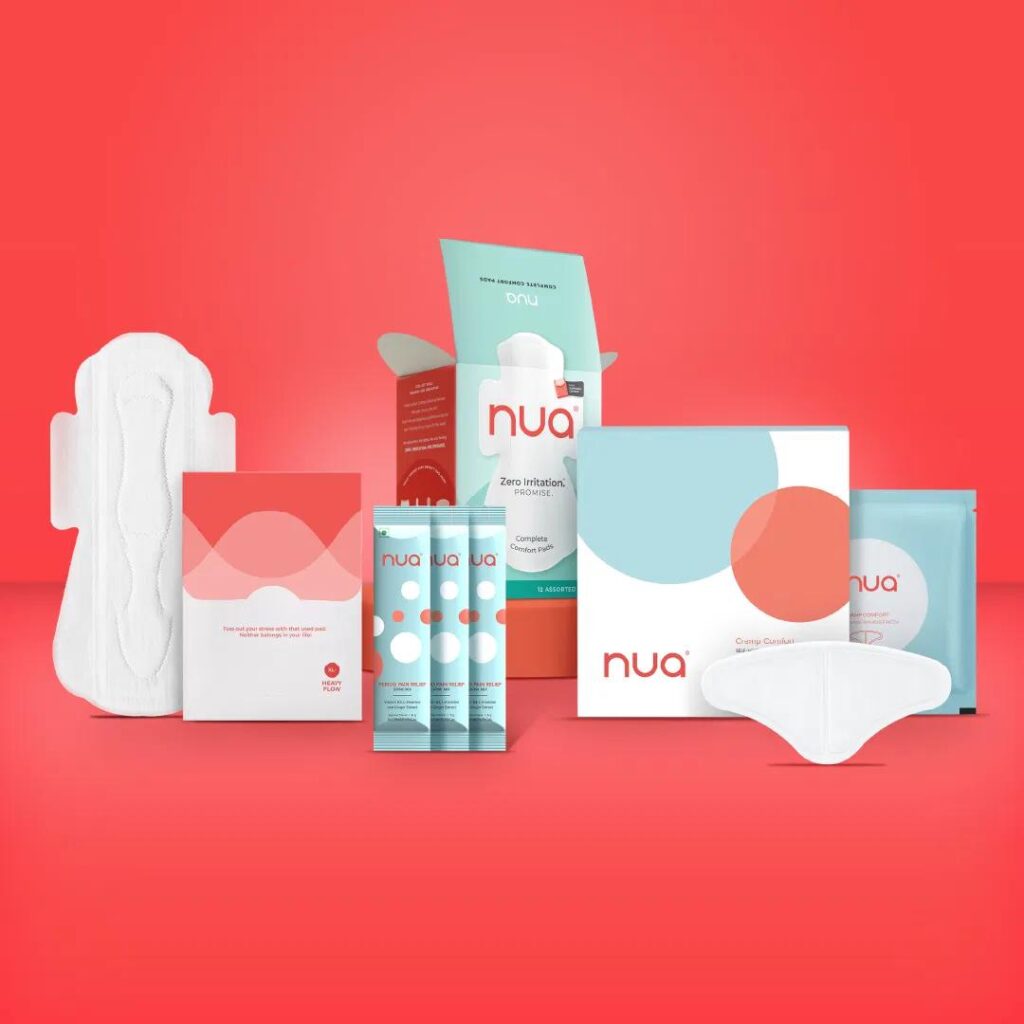
What set Nua apart at first was how much it let users change things.
Women picked what suited them best instead of getting stuck with one-size-fits-all bundles because the company stepped back and let choice lead.
Today, it seems straightforward enough.
Back then, hardly anyone saw anything like it.
What drove change was not new gadgets. Instead, it came from how people used what already existed.
It was psychological.
Now, plenty of shoppers sensed a company had finally noticed who they really were.
Encouragement showed up in how people replied.
Little things stood out to buyers. What mattered most was how carefully everything felt put together.
What stood out most was how much they valued being seen as real people, not just numbers on a chart.
What started as a feeling soon gave Nua an early edge. Not many saw it coming. Still, it shaped how people responded. Over time, that quiet bond set them apart. A small thing, yet powerful enough to shift ground.
Growth Journey and Expansion
Menstrual Care and Women’s Wellness
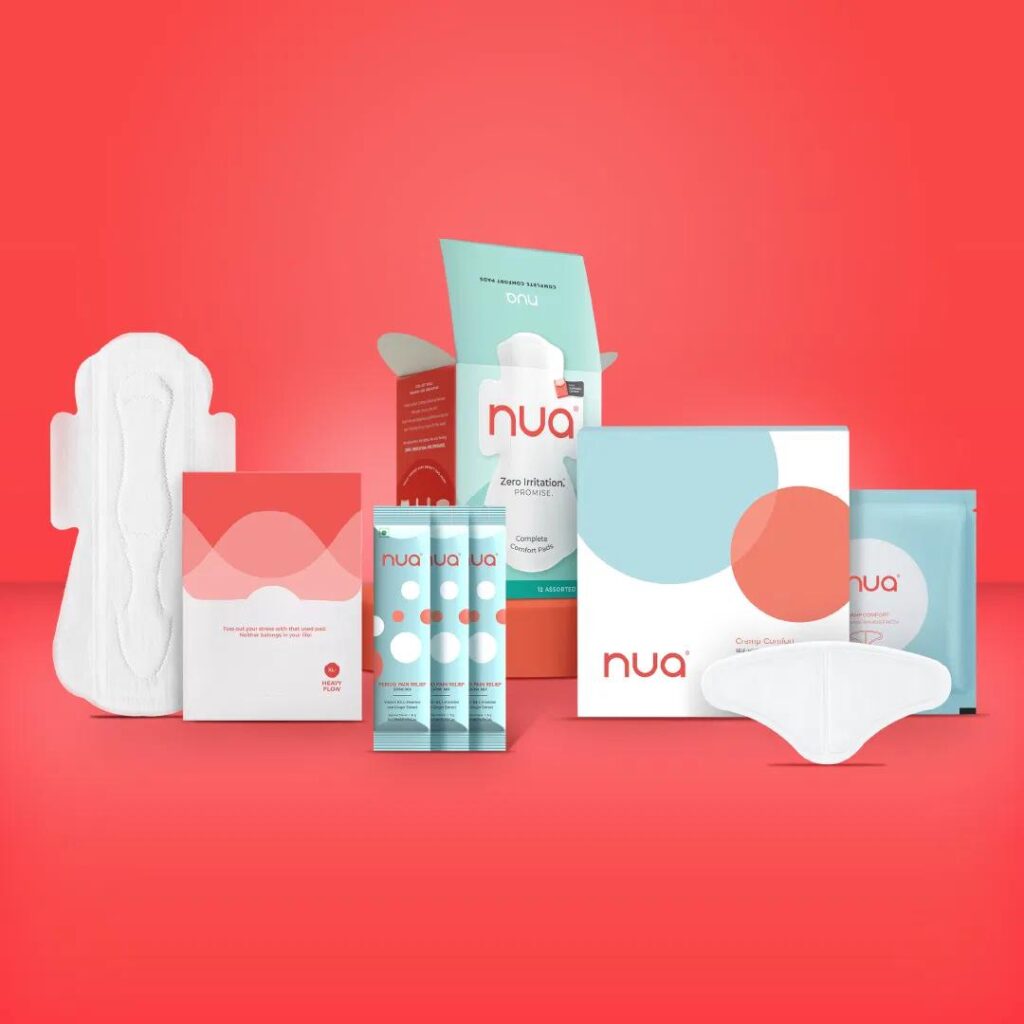
Something clicked once Nua started catching on. The team began noticing patterns they hadn’t seen before. A shift unfolded quietly behind the scenes. Clarity arrived not through plans but observation. What emerged wasn’t strategy – it was response.
People didn’t just want improved items.
Better support is what they wanted.
Out of nowhere, the business shifted. A single thought sparked it – simple, quiet, nothing loud about it.
Wellness areas outside sanitation began seeing moves from the firm. New directions emerged slowly, shifting focus step by step.
Self-care.
Intimate wellness.
Health-focused products.
Educational content.
Community initiatives.
Slowly, the business began shifting – no longer just selling items, but shaping a world around well-being. A quiet change unfolded over time, moving past goods alone toward something broader, more connected.
That change brought chances never seen before.
Creating a direct connection
Most everyday product makers reach people by working with stores.
Her way wasn’t like the others. One step led elsewhere, quietly.
Because of direct-to-consumer channels, the company focused more on connections instead of one-time exchanges.
Orders always left behind traces of information.
Insight came each time a review appeared.
From that moment on, each exchange built deeper clarity.
Feedback flowing straight back into the system turned out to be a quiet engine behind Nua’s rise. While others chased trends, this simple loop kept things moving forward.
marketing and branding strategy
Marketing Through Empathy

Period product ads, for years, built dreams instead of showing reality.
Nua focused on empathy.
Periods aren’t easy – this brand didn’t act like they are. Real talk replaced pretend calm.
Discomfort.
Confusion.
Frustration.
Questions women often felt uncomfortable asking publicly.
People started seeing the brand differently because of this move. It stopped feeling like a faceless company.
More relatable.
More trustworthy.
content now drives growth
Something clicked for Nua that most consumer brands missed entirely.
Value might come straight from information. It depends on how it’s used, not just what it is.
The company invested heavily in educational content around women’s health.
Articles.
Resources.
Conversations.
Awareness campaigns.
Not just bringing visitors, it sparked real movement.
It built credibility.
Now, people saw Nua more like a helper than just someone who sold things.
Financial and Business Strategy
Selling Trust Instead of Commodities
Trying to beat global giants by cutting prices? That never stood a chance.
Focusing on standing apart, Nua shifted direction entirely.
Personalization.
Customer experience.
Community.
Education.
Because of these pieces, prices stayed high even as buyers grew more attached. Customers stuck around longer thanks to how things were set up.
Interest from investors began flowing in after the firm placed itself squarely in the fast-expanding world of direct-to-consumer markets. While growth wasn’t guaranteed, being part of that space made a difference.
Finding fresh options, investors started shifting focus from tech-only ventures toward familiar names such as Nua.
Failures Challenges Setbacks
The Hard Truth Behind Direct to Consumer Business Models

Most direct-to-consumer brands hit snags you won’t find in glossy announcements. Nua was no different.
Customer acquisition costs increased.
Competition intensified.
Certain costs online began rising sharply. Prices for digital ads climbed steadily.
Consumer expectations evolved.
Hard to grow without losing money. Profitable expansion stayed out of reach.
Still, hitting targets meant weighing purpose against profit.
Purpose-driven brands often attract attention.
Keeping focus long enough to build something lasting takes more than just effort. What looks simple at first reveals its weight only after you’re deep inside it.
Reinvention or Evolution?
Growing Beyond One Category
Stuck on the first thing they made – that’s where many small-name brands start to stall. A single hit can turn into a cage when customers won’t let them try anything new. What began as identity slowly becomes limitation. The market expects more of the same, even if better ideas wait behind it. Growth hides just past the shadow of early success. Yet few manage to step out.
Early on, Nua saw what could go wrong.
Starting out focused on period products, the brand slowly stepped into broader areas of women’s health. A shift unfolded over time, moving past one single purpose toward wider support. From there, new directions took shape without rushing. It began touching more parts of well-being, not just cycles. Growth came quietly, layer by layer, widening its presence. What started narrow now reached further, almost without notice. Step after step, it moved beyond its original frame.
Over time, the brand shifted just enough to keep up when people started wanting different things.
Nowadays, Nua stands for more than just its original niche. What began narrowly has quietly grown into a wider idea. Its meaning stretches past where it first took shape. Over time, the name carries different weight. It points beyond early limits without saying so outright.
Personalized care now shapes how people interact with health services. A new focus puts patients at the center of decisions.
Customer Experience and Hidden Insights
Why Women Stayed
Most companies chase new customers instead of keeping old ones.
Nua focused on retention.
Slow gains built something lasting. What mattered grew without fanfare.
Felt by brands, people stick closer when they sense being known.
Small things made a difference.
Personalization.
Thoughtful communication.
Educational resources.
Responsive customer support.
Just because they managed tasks doesn’t mean they ran things. Operations didn’t belong in their hands.
They were emotional ones.
Strongest businesses sometimes come from choices made with feeling. Emotional picks spark ventures that stick around.
Cultural Impact
Normalizing Long Overdue Conversations
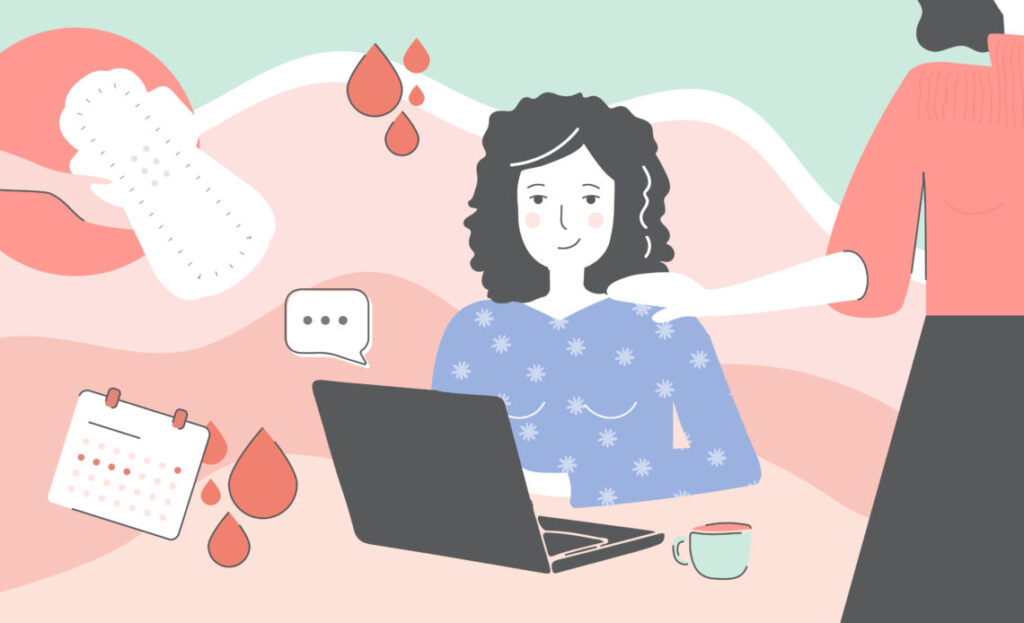
What Nua does reaches further than just what it sells.
Back then, conversations around women’s health in India were starting to shift. The brand stepped into that space just as things began to change. A slow openness had been building. Into this moment came their presence, fitting quietly alongside emerging dialogues. Change did not rush in – still, it moved. Their entry followed the rhythm of a society inching forward.
Speaking up about periods and health helped Nua move culture forward. A quiet push, yet it shifted how people see things.
Out in the open now, talk shifted from hushed tones to full view. People started speaking up where silence once stood.
From embarrassment to education.
From silence to awareness.
One day, that impact might matter far more than what the business actually puts on shelves.
What Entrepreneurs Might Notice
1. The Biggest Opportunities Are Hidden in Daily Annoyances
Out there, the menstrual care market had been around a while. Not new at all – just quietly doing its thing long before anyone paid much attention.
Something was off with how customers were treated. That gap opened a door.
2. Listening Gives an Edge
Many companies talk.
Listening comes first for top firms.
3. Commodities Turn Into Brands With Emotional Connection
Copying things people make happens all the time.
Harder to copy, trust takes time.
4. Most labels still fit just fine. It is what people live through that needs a new shape.
Menstrual care existed long before Nua came along.
Now people interact with it differently. The shift changed their daily habits without warning.
5. Mission Alone Is Not Enough
Purpose creates attention.
Execution creates businesses.
Final Reflection
The story of Nua isn’t really about sanitary pads.
Something much deeper sits at the core.
Here lies the result of years spent building things, not connections. What emerges is shaped by neglect – human needs left unmet. Focus stayed on output, never on those receiving it. Attention went elsewhere, always elsewhere. People faded into background noise. Decades passed like this. The outcome shows clearly now.
Years passed before anyone saw it clearly. Health for women stood boxed in corners. Not central. Always aside. A footnote in wider talk. Left behind while others moved ahead.
That moment, she saw it more like talking than anything else.
Years passed before people started shaping things their way.
Trying something new, Nua shifted toward what people wanted. A different path opened when habits changed around them.
Small as it might seem, that gap exists.
Yet some powerful companies start from tiny shifts.
Now and then, change happens not by creating what’s never existed.
It shows up when you hear someone others have ignored.
For Nua, paying attention turned into the base for a different sort of company. Starting quiet, ending clear – how they heard people shaped everything.