
Boat: The Startup That Sold Lifestyle Instead of Earphones
The Day India Stopped Buying Gadgets and Started Buying Identity
Back then, around 2010, loads of people in India walked around with phones that cost a small fortune in local currency.
Smooth lines ran along the devices they carried. A quiet hum of new tech sat in their pockets.
Powerful.
Aspirational.
Yet dangling from those same devices came flimsy headphones cracking in months, chargers splitting open by week two, extras tossed on without care.
Folks stayed silent on their account.
They were ignored by everyone.
Accessories were boring.
They were commodities.
Items folks picked up only after their previous versions gave out.
Buried within that overlooked slice of the gadget world sat a chance valued at many billions.
Some folks just missed what was right there. Not everyone noticed the thing others overlooked.
Yet a pair of founders made it happen.
It wasn’t about creating groundbreaking tech.
Building the next smartphone wasn’t their goal.
Not racing against Silicon Valley. Their path pointed elsewhere.
Yet what caught their eye was oddly straightforward
What mattered most to young Indians was tech gear matching their identity.
One day, that idea helped turn an unknown company into a household name across India.
The company was Boat.
Its tale does not center on headphones at all.
Understanding culture more deeply sets some apart. Others just miss what’s underneath.
It’s about branding in a world obsessed with products.
Proof comes when you find value where others look past. Hidden chance lives in places people overlook without thinking twice.
The Origin Story
Two Founders Seeing a New Challenge
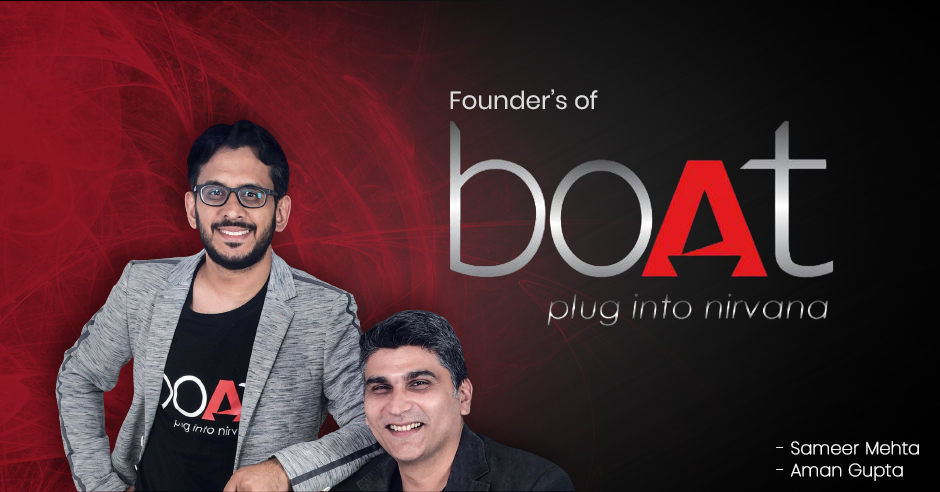
Back in 2016, two guys – Aman Gupta and Sameer Mehta – started Boat together. Though not much fanfare at first, their idea slowly took shape over time. From that point on, things moved step by step without rushing. The early days were quiet, yet full of steady effort. What began small eventually found its path forward.
At first glance, they seemed too ordinary to shake things up.
One wasn’t aiming to be the new Steve Jobs. The other had no such plan either.
Built-in advances never came from crafting bold new machines.
From their work came a mix of know-how in commerce, moving goods, and insights into what people want.
Years went by while the two future founders watched India’s way of selling gadgets. Early on, they noticed patterns that few paid attention to. What came next grew from those quiet observations. Long before any product launched, their thinking took shape. The idea formed slowly, shaped by what they saw daily.
Every time, it was like déjà vu all over again.
Consumers spent significant amounts on smartphones.
Yet getting extras felt like hitting a wall every time.
Bent too often, charging cables snapped fast.
Earphones felt disposable.
Not every portable charger worked when needed. Some failed at the worst moments.
Some items felt suspicious because they cost so little. Others demanded a price that just didn’t make sense.
Either things stood clear, or they didn’t make sense at all.
Surprisingly, the creators thought tech had already reached that market well enough.
Emotionally, it never got what it needed.
Back then, extra functions weren’t what folks were after.
Something sleek caught their eye – smooth under the fingers, fitting how people live now. A new look started making sense when touch met purpose.
One thought led straight to Boat. It started there, without warning. From that moment on, everything shifted slightly. The idea took shape slowly, then suddenly made sense. That point marked where it all began.
The Problem They Aimed to Fix
Accessories Were Never a Priority

Years passed before gadget makers turned their eyes away from big machines.
Phones received attention.
Laptops received attention.
Televisions received attention.
Accessories rarely did.
Consumers faced three recurring frustrations:
- Poor durability
- Unattractive design
- High prices from global brands
Out of nowhere, stores began stacking shelves with copycat items. A wave of sameness rolled through aisles, one look-alike after another piling up where originality once stood.
Most lacked personality.
Most lacked trust.
Most lacked aspiration.
Something caught the founders’ attention. A chance appeared. They noticed it early.
What if accessories weren’t treated as commodities?
Imagine treating them like everyday choices people make just because they fit how they live.
This question turned into what set Boat apart.
The Industry and Market Context
India’s smartphone surge reshaping everyday buyers

It came down to when things happened.
Back when India was reshaping its digital landscape, a boat began selling online.
Phones that cost less began showing up everywhere.
Faster connections began spreading fast – people everywhere started going online more often.
Streaming platforms were becoming mainstream.
Online ways of listening began taking hold. Music moved where people spent time now.
Games on phones started getting more popular.
Every day, people leaned more on social media. It slowly became part of routine moments.
A fresh wave of tech-savvy users began shaping how things moved online.
Not like the ones before them, these shoppers stood out in their own way.
They were:
- younger,
- more connected,
- more image-conscious,
- more digitally influenced,
- Yet open to spending extra on gadgets they like.
The market was enormous.
Yet still packed with people.
Big names such as Sony, JBL, and Samsung had long held strong positions in the world of everyday electronics gear before others even entered the scene.
Some new companies might steer clear of crowded markets. Yet stepping into a packed field isn’t always off the table.
Toward it the boat moved fast.
early challenges and first attempts
Nobody Was Waiting for Another Electronics Brand

Building a business around gadgets in India began without sparkle.
Folks putting money in didn’t buy it right away.
Most people had never heard of the name before.
A fresh company didn’t offer much comfort to stores.
Hard times hit the creators right away.
Building trust was non-negotiable, so they shaped their path carefully. Credibility didn’t come fast – each step counted twice.
When a clothing item doesn’t work out, people might still give it another chance.
When a gadget breaks, buyers usually walk away for good.
The early years involved countless operational challenges:
- sourcing products,
- managing quality,
- building supply chains,
- handling returns,
- maintaining inventory,
- Yet facing off with well-known leaders.
Every mistake carried consequences.
Making mistakes costs more when you build things people can touch. Software firms might bounce back after failures, yet hardware ventures often run out of time fast.
One bad run might ruin trust fast. A single flawed set can tarnish standing quickly.
Mistakes could not be spared.
Constructing With Limited Financial Resources
Starting out, the boat had very little to work with.
Slow steps were needed for growth. The business moved forward without rushing.
Cash flow mattered.
Inventory decisions mattered.
Product selection mattered.
Flying every time meant facing danger. Launch after launch, the threat stayed real.
Starting with what people actually wanted made their path clearer. They built only around real needs, never guessing at desires.
By tweaking things folks already used, progress came through updates rather than new wants.
Because of that approach, mistakes became less likely while progress moved faster.
The First Products
Charging Cables Before Celebrity Campaigns

These days, thinking of Boat often brings wireless earbuds to mind.
Yet those first items from the firm felt much more basic.
Charging cables.
Power banks.
Basic accessories.
Not glamorous.
Not exciting.
But highly practical.
Products kept breaking, so people bought them again. Founders noticed this pattern early on.
Into these classes sailed the vessel, carrying a pledge
Better design.
Better durability.
Better value.
Customers responded positively.
Some people still recall Boat clearly, their minds catching hold of it when most brands slipped away. One moment it was just another name, then suddenly it stood out like a color in a sea of gray.
That was significant.
Loyalty wasn’t something accessories usually inspired.
Boat changed that.
The Growth Journey
Riding the Digital India Wave

As smartphone adoption accelerated, Boat’s market expanded alongside it.
The company benefited from powerful trends:
- music streaming growth,
- mobile gaming,
- remote work,
- video consumption,
- fitness tracking,
- and digital entertainment.
Every trend increased demand for audio products.
These shifts began long before the boat arrived on scene.
Just there, fitting snug between their movements like it had always belonged.
Execution mattered just as much as when it happened.
Momentum started picking up speed.
Wireless Audio Changed Everything

A shift began when devices cut their cords. Signals floated through air instead of wires. That change sparked a new way things connected. Movement without links became normal. The old tangle faded into background noise.
When Bluetooth music caught on, people changed how they listened almost overnight.
Boat expanded aggressively into:
- wireless neckbands,
- Bluetooth speakers,
- wireless earbuds,
- smartwatches,
- gaming accessories.
A shift like that changed how the business operated.
What started as just accessories had shifted into something bigger.
A shift unfolded into something worn daily. That change shaped how people saw it.
marketing and branding strategy
The Real Product Was Never Earphones

Here’s when things get interesting with the boat tale.
Truth is, most folks believe Boat took the lead thanks to its gear. Yet that’s only part of what really happened behind the scenes.
Truth bends in ways we don’t always see.
Victory came through how it was seen. The name made the difference.
Something clicked for the founders that others overlooked.
Most kids these days aren’t spending hours checking which phone has more memory. Instead they care if it feels right in their hands.
They cared about:
- style,
- identity,
- affordability,
- relevance,
- and social perception.
From its spot, the boat adjusted slightly. It shifted into place without hurry.
Confidence moved through everything they sold, mixed with a spark that felt young. Energy wasn’t just shown – it leaked out of their ads, raw and restless. Youth culture tagged along like graffiti on a train, impossible to ignore.
Earphones became symbols.
Not just products.
Influencer Marketing Effects

Back when social media stars weren’t a go-to move, Boat already worked closely with creators.
Attention was something the company knew well.
Billboards didn’t catch anyone’s eye that day.
There sat the answer, hiding inside a smartphone.
Boat found a place in culture because influencers lent their voice.
Word of mouth played a role just as much as specs did when people first noticed the name.
Out of the blue, trust led them right to it – familiar faces showing the way.
This sudden clarity sped things up fast.
Celebrity Ties and Sports Collaborations
When growth came, Boat’s ads grew bolder.
Working alongside the brand were:
- athletes,
- entertainers,
- musicians,
- and celebrities.
Visibility grew through cricket sponsorships.
Partnerships created legitimacy.
Out front, it stood apart by shaping an identity close to young India’s pulse – not merely pushing gadgets. Instead of blending in among tech sellers, the name began echoing like something fresh, cultural, real.
What set them apart made a huge difference.
Financial and Business Strategy
Creating a Brand That Appeals to Both Mainstream and Premium Markets
A vessel sat perched right where curiosity met stillness.
Cost more than some. Yet it didn’t hit the highest mark either.
Cost didn’t top the list. Yet it stood out just the same.
That space sat just right – not too cheap, not too dreamy. A balance held tight by price tags that didn’t shout but still whispered something better. Not luxury pretending to be practical. More like hope wearing sensible shoes.
Because of this, the business connected with countless everyday shoppers without cutting into its profits.
Its business model combined:
- e-commerce,
- online marketplaces,
- direct-to-consumer channels,
- retail partnerships,
- Later came an offline version that expanded things further.
Spreading efforts across channels meant less reliance on just one way to sell.
Funding and Scale

Faster expansion caught the eye of those watching for opportunities.
A wave of investment flowed into Boat early on, fueling its rise across Indian markets. This momentum helped it stand out among homegrown tech brands focused on everyday gadgets.
Something caught investor attention that day. A quiet shift unfolded behind the scenes. Not loud. Not flashy. Just clear progress where it mattered most
a massive market,
strong brand recall,
Then comes buying again, one habit after another stacking up without much thought behind it.
From small beginnings, Boat rose fast, overtaking rivals. A steady climb pushed it ahead of competitors in its space.
Yet bigger size brought different problems. Still, expanding led to fresh hurdles.
Failures Controversies Setbacks
Most wins come with unseen struggles behind them.
Facing backlash wasn’t new for Boat.
Not everyone trusted how long the thing would last.
Folks pointed out uneven results now and then.
Competition intensified.
Global brands responded aggressively.
A few fresh companies began operating in this space.
Facing doubt wasn’t new – reliance on outside production stirred talk. Could they really stand apart down the road? That stayed unclear.
Critics wondered:
Boat More Than Just Gadgets?
A brand agency instead? Or maybe just a name-maker?
Years trailed behind that argument like dust after a truck on gravel. The firm never quite outran it.
Still, no matter the response, people just went on purchasing.
When it comes to companies, how people act usually counts more than smart-sounding debates.
Reinvention and Evolution
Audio Brand Evolves Into Lifestyle Network
Back then, boats seemed simpler. Now they carry more tech inside. Shapes have shifted slowly over time. Materials feel lighter than before. Designs respond to new needs. What floated years ago feels outdated now. Today’s version works differently in water.
The company expanded into:
- wearables,
- smartwatches,
- gaming products,
- audio devices,
- lifestyle technology categories.
What began as selling products slowly shaped something broader – a world where users stay connected beyond just buying things.
Faster progress came only after that shift happened.
One type alone might slow things down. Still, variety often opens more paths forward.
Out of growth came fresh chances – brand visibility grew stronger at the same time.
The Hidden Psychology Behind Boat’s Success

Success came its way when dreams were clearly seen.
Not luxury aspiration.
Accessible aspiration.
Modern things drew people because they seemed close enough to touch. Not distant. Real.
That balance came through the boat.
Smooth finishes gave the items a high-end feel.
For what you got, it didn’t seem expensive.
Young energy showed through its look.
Feeling clicked because of how things came together.
What people wanted wasn’t advanced design. Instead, they passed on high-tech solutions.
Buying into how people lived became their way of joining in.
It’s that small shift which makes their wins make sense.
Cultural Impact
The Rise of India’s New Consumer Brands
What matters most about the boat isn’t just its wiring. A deeper role shows up when you look past gadgets.
Born into the spotlight, it stood quietly as a mark of what young India’s founders now build.
A generation that understood:
- branding,
- social media,
- digital commerce,
- influencer culture,
- and youth psychology.
It turned out Indian brands didn’t need foreign labels to stand tall. A single firm showed how local identity could hold its ground when matched with global giants.
By doing your own thing instead.
Yet knowing hometown shoppers more deeply.
Later on, many new companies began doing things just like that one class showed them.
Then vs Now
In the beginning:
- Charging cables
- Limited awareness
- Small startup
- E-commerce focused
Today:
- National brand recognition
- Multiple product categories
- Celebrity partnerships
- Millions of customers
- Significant market presence
Now things looked different – way bigger than before.
Yet the main thought stayed much the same.
Make technology feel personal.
What Entrepreneurs Might Notice
1. markets are everywhere you aren’t looking
Just because it floats doesn’t mean it made something fresh. The boat stuck to what already worked.
A small change fixed something people had ignored.
Right where you stand, chances might just be hiding. Not every path needs forging from nothing.
2. Branding Might Help You Stand Out
Ahead of its time, a gadget might still miss the mark. Sometimes winning needs more than just better specs.
Perception matters.
Identity matters.
Emotional connection matters.
3. Timing Is a Business Superpower
When phones got smarter and music started flowing online, that’s when Boat showed up.
Timing amplified execution.
4. Stories Sold With Products
People rarely purchase on functionality alone.
They buy confidence.
Belonging.
Status.
Identity.
Deep down, Boat got it.
5. Great Brands Live Inside Culture
Young people shaped its path, yet their habits online mattered just as much. Shifting desires of buyers played a role, while attention to detail kept ideas fresh. Digital moves felt natural, because rhythm followed real life. Culture drove choices, though listening made the difference.
Out of step with routine thinking, that grasp of culture turned into a quiet edge.
Final Reflection

What lies behind Boat isn’t found in earbuds, timepieces that track steps, or cords that refill batteries. Instead, it hides between choices made when no one was watching.
It’s about perception.
Something shifted when they studied what others had overlooked. A quiet space held their attention instead of noise. Noticing became their method, not chasing trends. What seemed empty to many appeared full to them. Different eyes found value where none was expected.
Where most noticed trinkets, they recognized self.
Where most noticed machines, they spotted identity.
Where some spotted business, they noticed tradition instead. People looked at transactions; their eyes caught ways of living. One group focused on profit, yet they observed customs quietly passing by.
Maybe that’s what it really teaches us.
Hidden chances matter more than what you see when eyes stay locked on items alone.
Success came its way after realizing what plenty miss until it’s far too late
What something can do isn’t enough to win buyers. People look past function alone.
What they purchase tells a story about who they are.
One moment, a new sound shaped young lives across cities. Then came Boat – its gear matched moods, needs, choices. Not just devices. Tools for expression, really. As everything shifted fast around them, identity found form through headphones, earpieces, rhythm. A brand stepped into step, not leading but walking alongside.