
The Souled Store Story: How Three Friends Turned Fandom Into One of India’s Most Loved Youth Brands
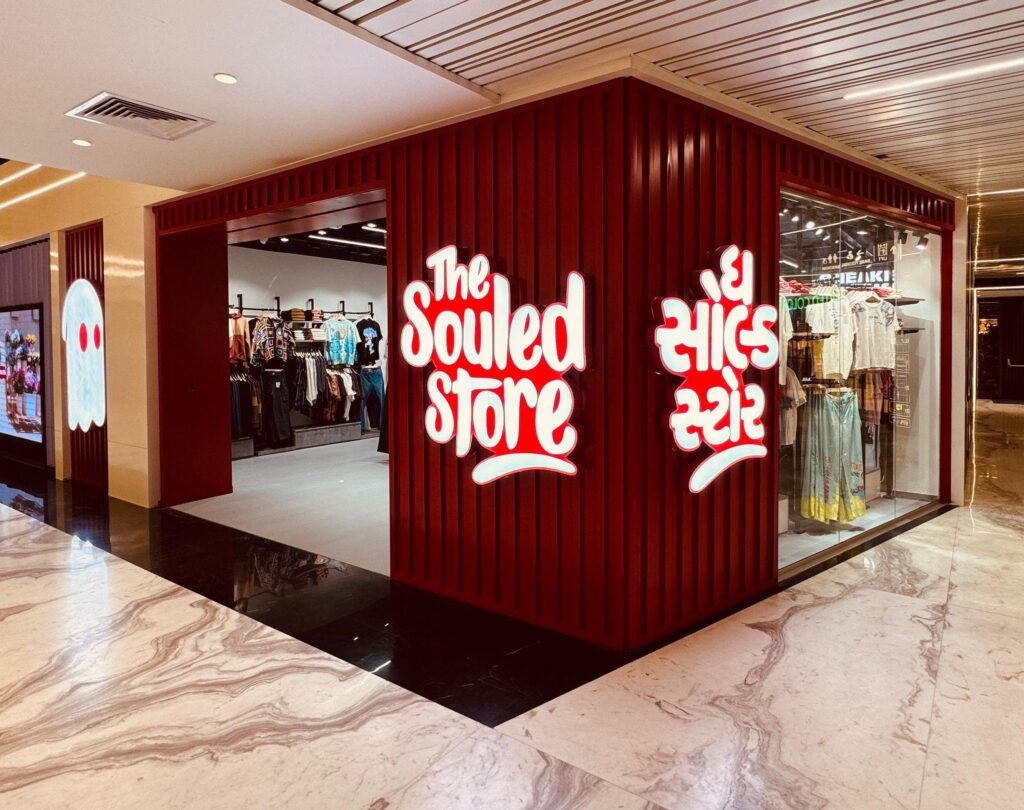
The Night They Realized India Was Wearing Boring Clothes
Frustration came first. Not the ₹100-crore mark, not team-ups with Marvel, neither viral fame nor stars buying what was made. Long before any of that, it began with something restless, unshaped – just irritation refusing to settle.
Nothing like those big, flashy moments.
The quiet kind.
It’s the sort piling up quietly, each time a teenager pulls open their closet doors and sees nothing but repeats.
Back then, around 2010, fashion in India started moving fast. New malls popped up everywhere. International quick-style labels arrived one after another. Online buying slowly changed how people shopped. But city kids – particularly those in college, obsessed with trends, gaming, superheroes, or glued to the web – didn’t feel seen by what they wore.
Every now and then, a few stood out despite the crowd of plain designs.
Many companies seemed far away.
Style ruled most clothing brands’ offerings
Most stayed away from trading who people really are.
Out there in Mumbai, a trio spotted a detail worth noting
Fashion stopped being about mere outfits. What mattered shifted toward meaning instead.
Wearing their favorite things mattered to them.
Later on, that tiny moment of noticing something different started shaping what many young people in India now wear every day
The Souled Store.
Yet the tale behind The Souled Store isn’t centered on shirts at all.
It’s about timing.
Internet culture.
Indian youth identity.
Fandom psychology.
A wave of people who’d waited years now stepped forward, voices lifting at last.
The Founders Who Saw Culture Before Business
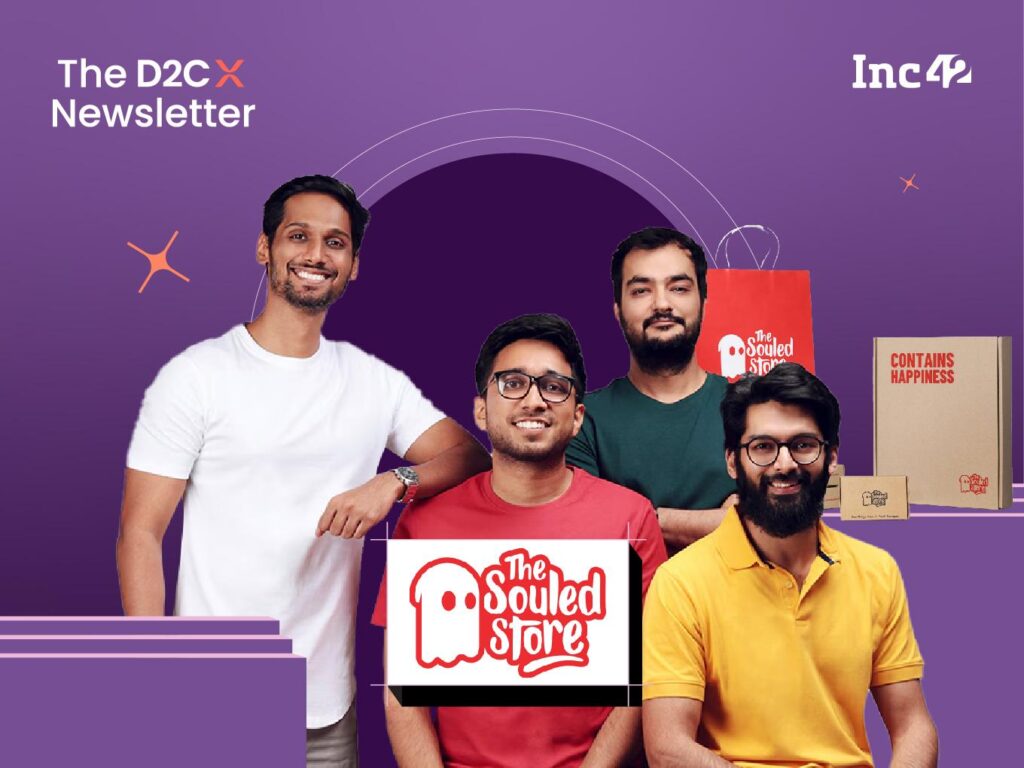
Back in 2013, a group of four pals started The Souled Store:
Vedang Patel, Harsh Lal, Aditya Sharma, and Dhawal Parikh.
These new creators didn’t rise from old clothing dynasties. Instead, raised on memes and viral trends, they shaped style through digital intuition. Their roots grew not in factories but in forums. A generation glued to screens redefined what fashion could be. Behind their launches stood not boardrooms, but late-night chats and shared posts. Born into online worlds, they saw tastes shift before anyone else did. While past designers followed paths, these built theirs mid-step. Familiarity with youth pulse gave them an edge no manual taught.
That gap made a real impact.
What they had in mind wasn’t about high-end clothing.
Copying European names wasn’t their goal.
Not chasing dreams like most around here usually do.
Yet deep down, they sensed a quiet truth
Young Indians were becoming culturally global.
Movie scenes played out before their eyes.
On weekends, they’d watch shows from across the ocean instead.
Games crossed borders through screens. Their fingers danced on controllers far from home soil.
They consumed anime.
They quoted memes.
They lived online.
Yet Indian fashion labels carried on as if the digital wave had simply skipped them. Still, they moved forward untouched by online shifts others embraced fast.
Out of that space stepped a chance.
Out of nowhere, stories like Marvel or Harry Potter started tugging at feelings. FRIENDS showed up everywhere, tucked into daily chats. Batman wasn’t just a character, more like a mood. Gaming worlds pulled fans close, almost personal. TV series became quiet companions. Even memes began shaping how folks felt about things. Internet culture? It quietly wove itself into emotions.
Deep affection for these worlds existed long before now.
Fashion from India never quite captured how people feel inside when they wear it. A deep connection stayed missing, hidden between threads and fabric choices.
It hit them suddenly – they were never getting into clothes at all.
Into the identity game they stepped. A new chapter began without fanfare.
India’s Fashion Industry Was Growing — But Emotionally Hollow
To understand why The Souled Store worked, you have to understand India in the early 2010s.
This was the time when:
- Smartphones were exploding
- Facebook and Instagram were shaping youth culture
- Online shopping was becoming mainstream
- Young adults on campuses started showing themselves online in new ways
- Meme culture was rising
- Fandom communities were becoming visible online
Fashion, though, stayed behind the times.
Big names usually put effort into things like these
- generic designs,
- logo-heavy fashion,
- Western imitation,
- or formal wear.
A handful of companies ever really got how young people online actually talk. Most just missed the mark completely.
Few people ever took fandom seriously.
Back then, rocking superhero gear in India often drew sideways glances. Still, some folks saw it as something only kids would do. Meanwhile, anime fans stuck out like sore thumbs – rare, quiet, tucked away. Gamers? Hard to find anything that wasn’t generic or falling apart. On top of that, pop-culture clothes were tough to get locally – if they showed up at all, they came stuffed in imported boxes with sky-high tags.
Ready to speak up, young people across India felt a shift inside. Yet the world outside stayed slow to notice.
Timing turned out to be the whole story.
The Original Idea Was Simple
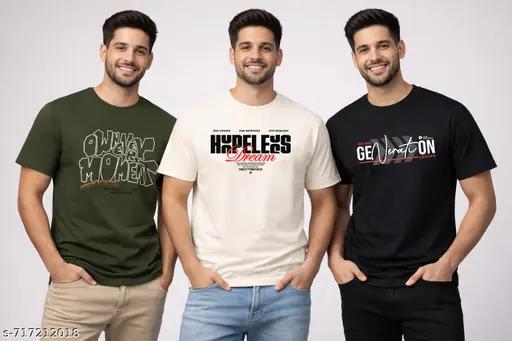
Started without much fanfare, The Souled Store’s original concept didn’t break new ground in how it made money.
Sharp edges cut through the feeling. Emotion bent under its weight. The moment did not soften.
Officially approved pop-culture gear, styled to fit regular outfits without trying too hard. Fashionable, yet clearly tied to beloved franchises through subtle design choices. Worn daily, not saved for special moments. Recognition built into the look, but never loud about it. Clothes that belong just as much on the street as they do at a fan event.
Everything shifted because of that difference.
Back then, items people sold usually came across as flashy, low quality, or something you’d wear just for pretend.
Style mattered more than looking young at The Souled Store.
Out of the gate, these folks put their energy into tees splashed with bold visuals drawn from –
- superheroes,
- movies,
- TV shows,
- cartoons,
- and internet culture.
Yet their uniqueness came from more than permits alone.
Design made sense here. Sensibility shaped it.
Fandom meant something different to each person, they realized. Not one-size-fits-all feelings shaped it – individual moments did. Their insight came quietly, without grand announcements.
Most folks turned away from huge, loud branding. Loud symbols lost their appeal fast. Big lettering felt too much. Shouting designs faded out. Attention shifted quietly elsewhere.
Subtle hints were what they had in mind.
Inside jokes.
Minimalist designs.
Smart typography.
Wearable storytelling.
Feelings grew closer when people connected with the company on a personal level.
A Marvel fan purchasing from The Souled Store felt more like grabbing a piece of identity than just fabric. Suddenly, it wasn’t about wearing something new but stepping into a version already known. Each design seemed less stitched, more remembered. Instead of shopping, it turned into recognition. What showed up at the doorstep carried weight beyond thread count. Not fashion – more like reunion. Even folding it afterward felt different somehow.
They felt seen.
Getting licensed merchandise was harder than expected
What stood out most about The Souled Store at the start wasn’t just clever, it carried weight. Betting on official licenses shaped their path fast. That move? Bold, yes. Safe? Not even close.
A tough test faced it – this young Indian company just starting out.
Big names in worldwide fun – these players shape how we enjoy shows across countries
- Marvel,
- Disney,
- Warner Bros,
- Cartoon Network,
- and others
Handing out licensing rights wasn’t something done lightly.
Most certainly not to unfamiliar startups in India.
The founders had to convince massive international companies that:
- India’s fandom economy would grow
- Most people in India are willing to spend money on official branded goods
- Their startup could protect brand integrity
Few people paid for official goods back then across India. Instead, copied versions ruled how things were bought and sold.
Fake versions poured into stores by the truckload.
Fake goods felt normal to shoppers back then.
The Souled Store made an attempt at something new
A real community where fans and fashion grow together.
Later on, that choice turned into a key edge over others.
Once licenses spread, rivals struggled to match that trust fast. Credibility didn’t come easily after that point.
The Early Days Were Chaotic And Unpredictable With Limited Resources
Most startups get shiny stories only after the fact.
Chaos ruled the beginning days. Operations stumbled without clear direction.
Inventory management was difficult.
Finding how much people would want later felt like guessing. Sometimes it seemed clear, then everything shifted without warning.
Funds ran short. Money moved slowly. The wallet felt thin. Bills piled up fast.
Licensing fees bumped up expenses right away. Costs climbed because of official permissions needed upfront.
Fits often go wrong, sending items back. Returns pile up when sizes miss the mark.
Few dollars went to ads back then.
Maybe above all else:
Back then, India hadn’t yet shown what it could do.
One might wonder if fans keep buying movie or music-themed clothes over time.
Does being a fan mean buying again? Could loyalty spark more trips to buy?
Maybe it sticks around. Or maybe it fades fast. Hard to tell if this builds something lasting. Could vanish like so many others did. Time shows what actually survives.
Nobody knew.
Starting out, they taught buyers what they needed even as the company took shape. Still, every step forward came with lessons on both sides. Behind each sale was effort that doubled as discovery. Growing meant guiding others through new ideas at the same time roots were forming.
Most people find it tough to break into a space that’s long been settled.
It wasn’t just about moving T-shirts off shelves.
Out of nowhere, folks started doing things differently every day. Slowly, it just became usual.
The Internet Turned Into Their Main Tool
Traditional apparel companies relied heavily on:
- malls,
- retail chains,
- celebrity endorsements,
- and offline advertising.
Out of step, The Souled Store moved on its own rhythm.
Out of nowhere, growth took hold – built for the web, shaped by clicks, fueled by scrolls.
Out there, scrolling feels like breathing. Screens hum where life now lives.
This made a huge difference.
Life had moved to the web long before they arrived.
They narrowed their attention – zeroing in hard. Not chasing every possible person. A sharp turn away from broad guesses. Choosing depth over wide, shallow reach. Targeting only what mattered most
- fandom communities,
- meme culture,
- pop-culture conversations,
- youth humor,
- relatable internet behavior.
Advertising never came across in their approach.
It felt like participation.
A quiet shift made people care more deeply.
On Instagram, the brand found a home where it could truly show who it was.
Still, it lacked that glossy high-end finish people expect from luxury fashion.
It was culturally fluent.
Laughter, shared jokes, inside terms, familiar nods – these pieces stitched the brand into everyday talk. It stopped sounding like a company. Instead, it whispered like a friend who gets it
For big clothing brands, acting that way felt forced. Emotional connection wasn’t something they could copy easily.
The Psychology Behind Why Customers Connected So Deeply
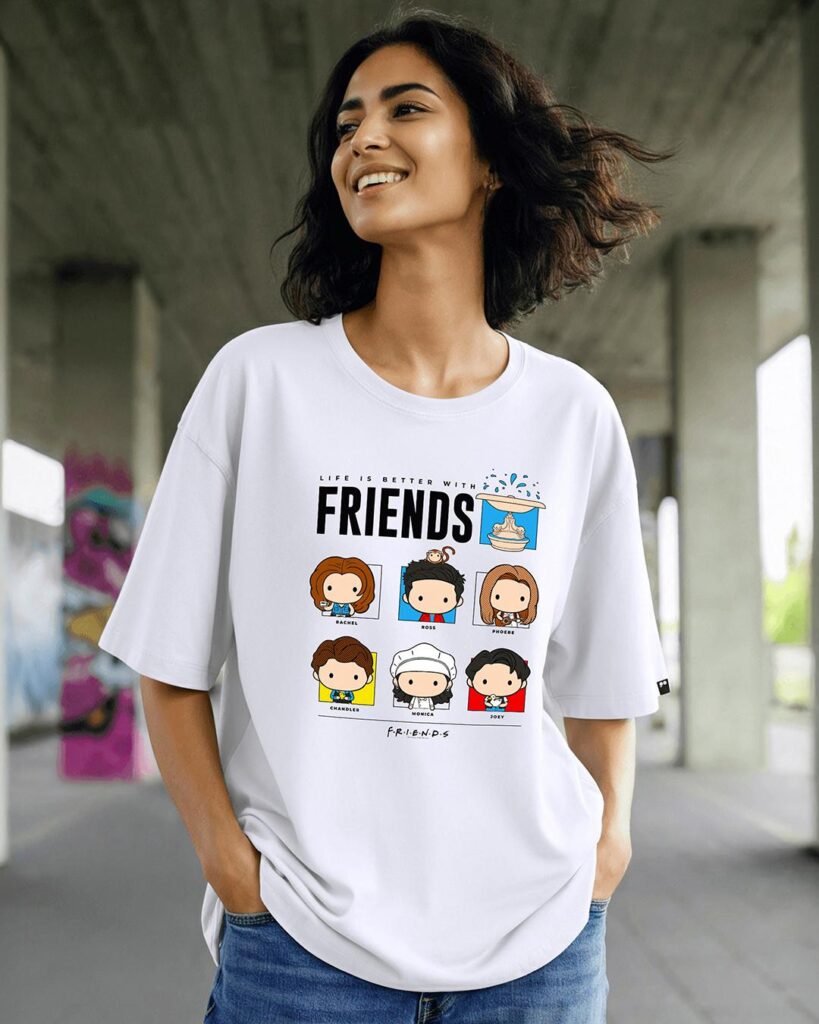
The Souled Store saw what others overlooked
People don’t buy merchandise because they need fabric.
They buy belonging.
A Batman T-shirt often carries more weight than fabric suggests.
It signals:
- personality,
- nostalgia,
- tribe,
- emotional attachment,
- identity,
- and cultural alignment.
For young shoppers, clothes started speaking louder than words.
Fandom found a voice through The Souled Store, showing who people really are out loud. Identity stopped being private when their designs hit streets and screens alike.
With India’s young crowd so huge, wired into digital spaces, yet full of cultural energy, the marketplace grew way beyond what old-school forecasters thought possible.
The company essentially sat at the intersection of:
- fashion,
- entertainment,
- internet culture,
- and emotional identity.
Power showed up in that mix more than anyone expected.
Company Evolved Past T Shirts

Back then, most people thought of The Souled Store as just a brand for printed t-shirts.
Yet slowly, the creators came to see a truth they’d missed at first
Should trust grow beyond just liking a product, purchases often go past simple fan gear.
Out of nowhere, growth began. The idea took hold, then spread fast.
Little by little, the business began shifting its focus toward –
- joggers,
- shirts,
- hoodies,
- sneakers,
- backpacks,
- mobile accessories,
- casualwear,
- women’s collections,
- Other everyday items fit into this category too.
Out of nowhere, this shift carried weight. Still, its timing made all the difference.
Putting all efforts into fan-made products might restrict growth.
The brand slowly evolved from:
“a cool merchandise startup”
to
“a youth lifestyle fashion company.”
Out of nowhere, the shift blew open the market’s limits. A sudden turn made room grow much larger than before.
Most importantly, they managed it while holding on to who they really were.
Startups often drift from their true self once growth kicks in.
Out of nowhere, The Souled Store kept sounding like it always did online, even as sales grew. Still, the brand didn’t lose its voice when business picked up. Somehow, staying true to its roots happened without slowing down expansion. Even with more customers, the feel stayed grounded in web culture. Growth came through, yet the vibe remained untouched.
Most times it tips one way. That balance shows up almost never.
Their Move Beyond Online Was a Key Shift
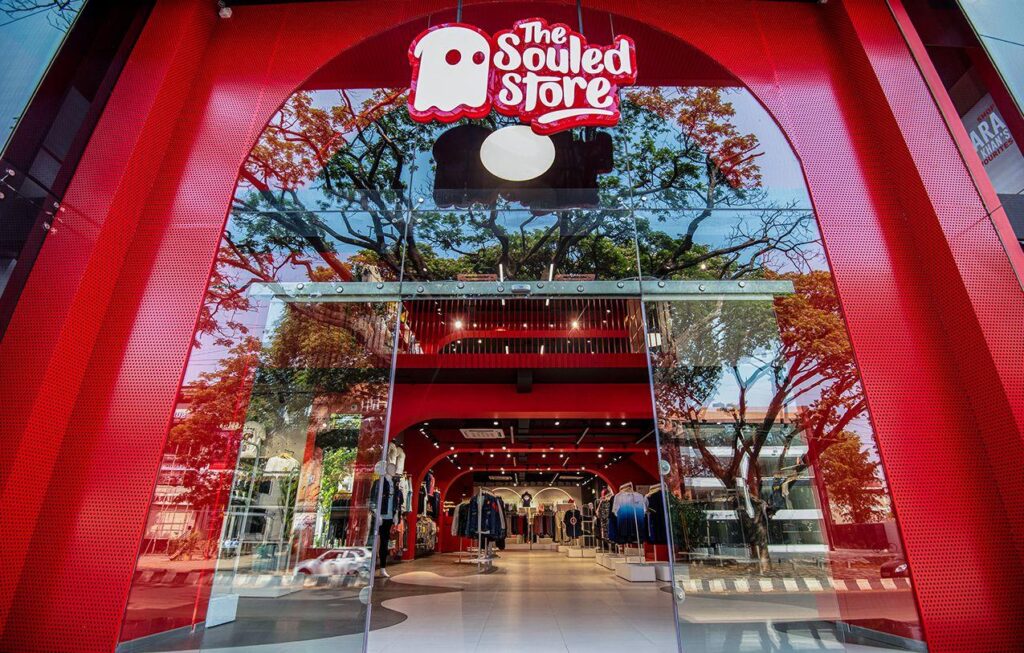
Years passed before The Souled Store leaned hard into online. Later came shifts, though screens stayed central long after.
Later on, though, stores started carrying their products.
A twist like this changed everything overnight. Yet few saw it coming at first glance.
Right off, it looked backward somehow
Why would an internet-native brand move offline?
Funny thing – they got how Indians think about buying stuff. Really deep down.
Face-to-face contact builds confidence in India.
Something useful came out of malls too
Touch brought the tradition to life for those watching.
That first step inside a Souled Store outlet didn’t hit like most clothing shops do. Instead of rows of predictable racks, there was something offbeat in the air – quiet but charged, almost humming beneath the floorboards.
Freshness buzzed in the air, noise bouncing off walls like a game. Laughter jumped between groups, pulling everyone into its rhythm. Culture showed up in colors, sounds, movement – alive under bare bulbs. The vibe didn’t just shift – it spun sideways.
Fandom began to live inside the shops.
This wasn’t just about opening more stores.
It was community-building through physical space.
Funding and Scaling the Business of Growth
Folks with money to invest started watching closely when the business began expanding.
Out of nowhere, D2C brands began surging across India, lighting a spark under new businesses. Because of this shift, fresh companies found faster paths to grow. Instead of old methods, they tapped straight into buyers. Alongside changing habits, these startups gained ground quickly. Through direct links, they built trust without middle steps. As customer interest rose, so did chances for launch
- owned customer relationships,
- Created tight-knit online spaces where people connect regularly
- Yet ran with clear brand strengths in play.
A story found its shape here. This place slipped right in without effort.
The company benefited from:
- India’s growing e-commerce ecosystem,
- increasing disposable income among youth,
- digital payments growth,
- social-media-driven discovery,
- Pop culture grabs more attention every day.
Yet growing a clothing brand always brings tough challenges.
Margins are pressured.
Mistakes in stock counts cost a lot of money.
Fast spins happen in fashion waves.
Consumer attention shifts constantly.
The company had to continuously balance:
- creativity,
- licensing costs,
- inventory management,
- customer retention,
- and expansion economics.
Staying steady like that still counts among the toughest pieces of building a fashion business
The Competition Became Brutal
When The Souled Store expanded, shifts in the marketplace began reshaping everything around it.
Suddenly:
- D2C brands exploded,
- fast fashion accelerated,
- influencer brands emerged,
- international competition intensified,
- Folks started grabbing movie toys like they were groceries.
Now familiar, what had seemed rare just years ago suddenly filled every corner. Crowded replaced quiet almost overnight.
A fresh problem popped up because of that
What keeps you tied to culture once everyone knows your name?
Strange how doing well can put you at risk.
Youth culture evolves rapidly.
Tomorrow might make today’s real seem like business talk.
Out of nowhere, some online-only labels lose charm once they grow – people start seeing them as more like billboards than real companies. Growth shifts how folks feel, even if nothing else changes
Starting fresh each time kept The Souled Store moving. Shifting how they spoke to people became routine. New products arrived like seasons changed. Working with others brought different flavors now and then. Their space on the web evolved without warning. Staying still was never an option.
Still fighting, long after it seems done. The clash keeps going, without finish in sight.
Not Everything Was Perfect
Just like most fast-growing fashion brands, The Souled Store eventually drew some backlash.
Some customers complained about:
- pricing,
- quality inconsistencies,
- delayed deliveries,
- sizing issues,
- Too many repeats of the same look start to fade their impact.
When companies grow, staying close feels tougher.
Operational complexity increases.
Customer expectations rise.
Social media amplifies every mistake publicly.
On top of that, their rise leaned heavily on fan energy – yet that same force could just as easily backfire.
Trends shift quickly.
Internet humor ages rapidly.
Attention in young people shifts without warning.
The company constantly had to ask:
What happens when fandom trends evolve?
Staying flexible with traditions kept them alive. Survival came through shifting how they lived when needed.
The Hidden Genius of The Souled Store
What comes to mind for many is that The Souled Store moves products.
It’s true – but just a bit.
They didn’t learn skills – just how feelings shift between people.
They translated:
- internet culture into fashion,
- fandom into identity,
- nostalgia into commerce,
- Putting digital connection right into real-world items.
Printing pictures on shirts feels easier compared to that.
What made the difference was seeing how feelings shaped choices – long before most established names caught on. A quiet shift, really, not some loud breakthrough.
These days, knowing how people feel can outweigh making things. A product’s success might hinge less on assembly lines, more on what stirs inside someone. Building something is one thing – connecting with unspoken needs? That shifts outcomes. Factories hum, true – but quiet human pulses steer choices louder. What gets made fades beside why it’s wanted.
How The Souled Store Shifted What People Buy in India

Out past fabric, its reach shows up in quieter ways. Still felt where threads never stitch.
It helped normalize:
- fandom fashion,
- geek culture,
- internet-native branding,
- pop-culture identity expression,
- Yet stories told directly to buyers grow strong across India. Still small shops talk straight to people who want what they make.
Back then, wearing superhero clothes out loud in India felt rare. Still, a few did it anyway – bold without trying too hard.
Today, it’s mainstream.
Something shifted slowly, not by itself. It took time without rushing.
Stores such as The Souled Store played a part in speeding things up.
Fandom turned into something people wore like a badge of honor.
This change mirrors something bigger unfolding across India
What matters most now? For younger buyers, what they choose says who they are. A product must mean something beyond its job. Identity shapes their decisions more than function alone. Who you appear to be drives choices just as much as what it does.
Then vs Now: The Evolution of The Souled Store
In the beginning:
- it was niche,
- fandom-heavy,
- internet-driven,
- and youth-subculture focused.
Today:
- A key name in direct-to-consumer clothing shows up here
- a lifestyle brand,
- a retail presence,
- A key piece within India’s growing startup world.
Yet deep down, the feeling stays oddly clear
Wearing what feels real comes first. Identity shows up in choices, not rules. Clothes become part of speaking without words. What fits best is often what already belongs. Expression walks before approval.
This one clear idea keeps driving everything they do.
The Biggest Lessons From The Souled Store Journey

The Souled Store teaches several powerful business lessons.
1. Culture As A Business Edge
Because they got how people act online long before old-school businesses caught on, success found them early.
Right when things start changing around shared beliefs, big openings appear. Not every shift brings chances like that. It depends on catching the moment before others notice. Miss it and the door closes fast.
2. Identity Sells More Than Products
Most people didn’t stop at clothes when they shopped.
They bought self-expression.
The strongest brands make customers feel emotionally recognized.
3. community outlasts ads
Back at first, The Souled Store saw slow movement – not fueled by big spending on ads.
Something about belonging made people stick close to it.
Most faked devotion falls flat right away.
4. internet brands act differently
Online, old-school brand rules sometimes miss the mark.
Laughter helped brands stand out, while jokes people recognized built connection. Memes drew attention without saying much. Involving the audience tipped the scales quietly.
This idea clicked fast for The Souled Store.
5. Keeping personality while scaling remains difficult
Success often drains the fire out of young companies. Emotions flatten once growth kicks in. A win can quietly hollow a team’s voice. Energy fades when numbers start to matter more than feeling.
Scaling up often tests a brand’s roots. The Souled Store faces that tension – growth pulls one way, staying true another. Bigger reach can blur what felt original. Remaining genuine isn’t automatic when operations expand. Size brings visibility, yet risks softening the edge that drew people early on.
Even now, that pull shapes how things unfold inside the walls. It lingers, quiet but steady, like a hum beneath every choice made.
Final Reflection
The story of The Souled Store is ultimately a story about modern Indian youth.
A generation that grew up online.
Consumed global culture.
Built emotional identities digitally.
They looked for labels that matched their real selves.
Before most saw it, the founders had already spotted the change.
A mirror reflecting fandom, identity, nostalgia, humor – woven through the fabric of online life – not another fashion brand rising from the usual blueprint. Their creation stood apart, shaped by shared moments rather than trends, capturing what people already carried inside.
For this reason, The Souled Store turned into something beyond just products.
Feeling found shape in clothes when young voices first reached out together.
Maybe this is what lies behind the pixels, capes, jokes, and sweatshirts
Most top brands today aren’t really pushing items at all.
Belonging gets sold by them.