
Paper Boat: A Sip Of Memories
How a Drink Brand Offered Nostalgia While Everyone Looked Ahead
Flavours stick around long after childhood ends. Some tastes survive decades without fading at all.
It wasn’t the price that mattered.
It wasn’t about luxury at all. Just different reasons entirely.
Yet tied to one particular time in their lives.
A sour-sweet sip cuts through the heat. Tart mango swirls in cool water. Mint leaves tingle at the edges. Ice cracks softly in the glass. Sun beats down outside, relentless. The drink hums with sharp freshness. Each mouthful feels like shade.
A whiff of homemade jaljeera drifts through the air during a reunion. Steam curls up from glasses as laughter hums nearby. Someone stirs cumin into cool drinks under the shade. The tangy scent sticks to clothes long after sipping begins.
A cool drink, handed down through summers at Grandma’s place. Kokum stirred into water, poured over ice one slow afternoon after another. Grandpa was watching from his chair, always with two glasses ready before you asked. Tart sweetness spreads across your tongue like a secret shared without words.
Hours of running around ended with something cool on the table. A drink made by hand sat there, just waiting.
These meant something deeper to countless people across India. Not just items bought or sold.
They were memories.
And memories have a strange power.
They fade.
Out of nowhere, memories come back – years gone by – a scent, a noise, maybe just a flavour on the tongue.
Something shifted around the early 2000s.
India was modernising rapidly.
Global beverage giants dominated store shelves.
Soft drinks became symbols of modern lifestyles.
Out of city homes, old Indian beverages began fading away.
Some kids learned taste from fizzy sodas, bottled flavours, and others from lab-made boost liquids.
Still, those tastes from growing up held their charm.
Yet finding them grew tougher each day.
Change felt unavoidable to many businesses.
A single business noticed a whole new angle.
Hidden within old memories was a chance they noticed. Not everyone would have spotted it there.
A chance to step alongside what comes next. Not racing ahead, just moving forward together.
Yet bringing folks back to what came before.
Later on, that thought became Paper Boat.
A beverage brand that didn’t sell drinks.
It sold memories. By moving that way, a brand emerged unlike any other in India’s history.
The Origin Story
The Men Behind the Idea

A beginning unfolds not with a spark but with people who knew kitchens, factories, lines of supply. Years passed under their belts before they shaped what came next. Experience soaked into decisions long before bottles were designed. Men who’d moved through markets, tasted failure, learned pacing – now turned toward something new. What emerged did not arrive overnight. It carried weight from past attempts; lessons stirred quietly beneath the surface. A drink brand grew not from sudden insight but steady footsteps across crowded sectors.
Folks like Neeraj Kakkar shaped the company, along with James Nuttall, joining forces. Suhasini Sampath stepped into that circle too.
Back when there was no Paper Boat, its founders ran Hector Beverages. They stepped into a busy drink scene using a different name – Tzinga. That came first.
Energy drinks became Tzinga’s focus. Yet it wasn’t just about caffeine or speed – something else shaped their move into that space.
Attention followed the product closely. It showed up where people looked twice.
Yet one truth took root in their minds.
Facing off with massive drink companies from around the world made things tough – really tough. Not just challenging, but nearly overwhelming at times.
Bigger names carried more cash. Their wallets stretched further than most could imagine.
Larger distribution networks.
Massive advertising budgets.
Chasing victory on their terms began to seem less and less possible.
That’s when the founders started searching in different places.
They shifted focus, questioning something else rather than which drinks folks consumed.
Which drinks vanished from their routines?
Searching the shelves gave no result.
Found among old thoughts. Memories held it first.
Childhood memories.
Family memories.
Summer vacation memories.
Out of nowhere, a fresh type showed up.
The Problem They Aimed to Fix
India Rediscovering Its Forgotten Tastes

Step inside today’s shop, then notice how many drinks line the shelves. Most places stack them high, each brand shouting for attention through bright labels and odd shapes.
Carbonated drinks.
Fruit juices.
Energy drinks.
Sports drinks.
Flavoured water.
Still, with so many choices around, a piece felt left out.
Authentic Indian drinks.
Nothing like what you get at restaurants.
Not homemade recipes.
Ready-made forms, still rooted in tradition. Built to travel yet never losing its origin.
Strange choices met shoppers lately.
Should ease matter most, a soda or ready-made drink made sense. Then again, picking something quick wasn’t always about speed – just what sat closest at hand.
Should nostalgia be the goal, then meals made from scratch would do.
A gap sat empty where a connection could have been. One side waited while the other stayed out of reach.
A quiet moment of clarity hit them. That space between what existed and what could be suddenly made sense.
Not leaving old favourites behind was why people stuck with classic beverages, thought the creators.
Left behind, since updates never came their way.
Out of nowhere, that thought took root beneath everything the brand stood for.
Industry and Market Overview
One of India’s toughest industries

What stands out about drinks is just how packed the space feels. Competition shows up hard when you look around.
Simple they seem, those barriers.
Make a drink.
Sell a drink.
Truth bends in ways most never notice.
Distribution is brutal.
Only so much room sits on the shelf. Space runs short fast when adding more.
Consumer habits are difficult to change.
Visibility usually depends on how much money goes into marketing.
Back then, big players such as Coca-Cola and PepsiCo already held the spotlight. When Paper Boat arrived, it stepped into a world shaped by its presence.
Though small, each brand fought hard to claim its spot. Competition among hometown names grew intense overnight.
Staying clear might’ve been the go-to move for many pros. Yet here we are.
Most others had already taken their spot there.
Expensive.
And unforgiving.
Yet Paper Boat aimed beyond just being a soda. Instead, it focused on something different entirely.
Just aiming to stand apart from the usual drinks on shelves. Not chasing the same path others took.
A space began to form where almost none had been before.
Category creators usually play by their own rules instead.
early challenges and beginning efforts
Selling To Stores Came First Then People Followed
What really tripped things up had nothing to do with getting products out the door.
It was perception.
Consumers understood cola.
Orange juice made sense to them.
It clicked – how those bottled mango mixes worked.
Yet what about store-bought aam panna?
Packaged jaljeera?
Packaged kokum?
That required education.
What if old flavours fit new bottles? That was the quiet bet behind the launch. Not every tradition needs dusty shelves. Some roots grow better in fresh soil. Could heritage survive a redesign? The team thought yes. Trust had to stretch beyond glass and label. A familiar taste, just dressed differently. No promises shouted. Just a hope that comfort isn’t tied to form. People might accept change if the soul stays. Maybe progress doesn’t always erase.
There was scepticism.
Could nostalgia really become a scalable business?
Would younger consumers care?
Would people pay premium prices for drinks they associated with home kitchens?
Nobody knew.
Backed by gut feeling, not charts – emotional ties stood above what experts claimed. Yet trust leaned heavier on heartbeat than history.
The First Product
A Drink That Reminded Me of Something Forgotten

From the start, drinks based on classic Indian flavours marked Paper Boat’s arrival. Instead of copying trends, familiar tastes from childhood memories shaped its path. Rather than chasing global styles, regional recipes guided every sip it offered.
Aam Panna.
Jaljeera.
Kokum.
Golgappe Ka Pani.
Other local dishes also show up often.
Right away, the items caught attention.
Not because of aggressive marketing.
Because of familiarity.
Taste memories clicked right away for shoppers.
Warmth spread through each sip they took. A quiet moment settled in around them.
Unexpected.
Personal.
A brighter wrapper made the moment feel bigger.
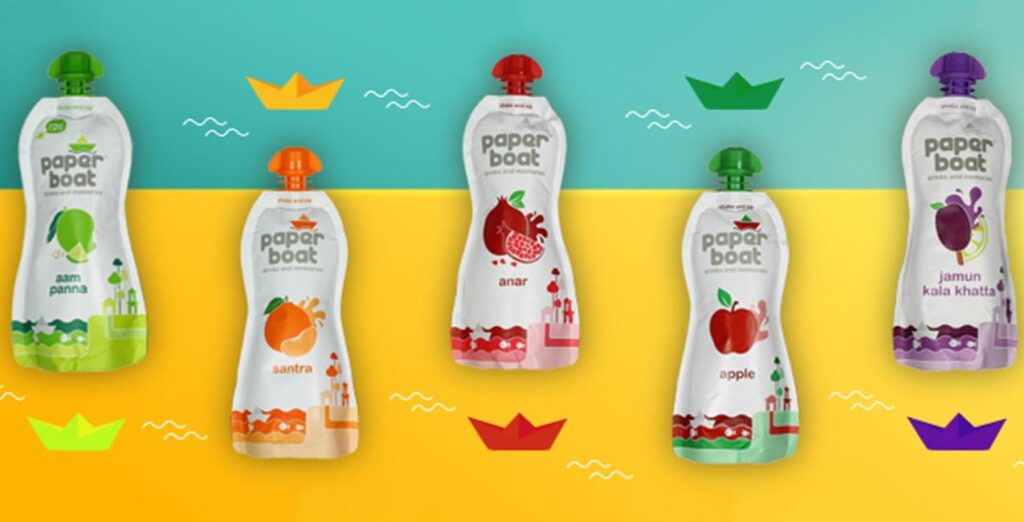
Playful and different – that was the look of Paper Boat’s soft pouches when set beside regular drink containers.
It was as if these weren’t mass-produced at all, instead shaped by hands one at a time.
Everything about the brand signalled warmth.
And consumers responded.
Growth Journey and Expansion
How Nostalgia Turned Into a Way to Make Money

Stories started spreading. That changed everything.
Not reviews.
Stories.
People talked about childhood summers.
Grandparents.
School vacations.
Family gatherings.
The product triggered memories.
Memories sparked talks between them.
Word spread quietly, turning into something Paper Boat could always count on.
Fast growth carried the business into fresh tastes, then different regions followed close behind.
Retail distribution increased.
Online availability improved.
A quiet shift carried it forward, step by step, until familiar faces across the country knew the name. What began as a whisper in small corners now found its way onto lips in cities and towns alike.
Beyond Drinks
What really mattered became clear only after the business expanded. It was never about the drinks.
It was emotional positioning.
Paper Boat expands into new product lines
- Snacks
- Traditional foods
- New beverage formats
- Seasonal offerings
Products sat unsold by the business.
Back then, it moved old memories through every kind of product.
That difference sparked fresh chances.
marketing and branding strategy
The Brand That Did Things Differently

Most beverage advertisements focus on excitement.
Paper Boat focused on reflection.
Its campaigns featured childhood moments.
Paper boats floating in rainwater.
School vacations.
Family bonds.
Simple joys.
Short films, that’s what the ads reminded me of.
Stories stuck in minds more than the item ever did.
It happened on purpose.
Nostalgia Used to Stand Out

What made Paper Boat clever was never just about bringing back old memories.
Wrapped in memories of old boxes and labels.
Truth hit them first thing. A basic one.
What drives folks isn’t just grabbing an item off the shelf – there’s always something underneath pulling harder.
They buy emotions.
Every aspect of the brand reinforced that emotion.
The name.
The illustrations.
The packaging.
The advertising.
The flavors.
A single mood took hold because of how each piece fit. The way things lined up made it clear that not one part stood out, but all moved as one.
Trust came because things stayed steady.
Financial and Business Strategy
Building Quality in a Classic Market
Paper Boat stood apart without chasing low costs.
It couldn’t.
Folks who sold drinks to everyone could make truckloads fast.
Paper Boat stepped into the space with something richer. Not just another drink, but a moment worth slowing down for.
People handed over money, yet it never covered what went into making the product.
They were paying for emotional value.
Out here, the company found a spot no one else had taken.
Investors noticed.
Funding flowed in after big-name backers spotted a unique edge in the business model. Not every startup stands out, but this one did – enough to catch sharp eyes looking past the usual noise.
A small drink business began turning into something bigger, step by step. Its quiet presence started catching attention beyond just speciality shops. Slowly, people everywhere began recognising the name without even trying.
Failures Challenges Setbacks
Nostalgia Has Limits

What worried Paper Boat most wasn’t failure – it was saying the same thing too often.
Nostalgia is powerful.
Yet predictability might set in.
Folks start to count on fresh ideas after a while. Innovation creeps into their expectations without warning.
New experiences.
New products.
What mattered most was keeping things known, yet new. Instead of sameness, a quiet shift shaped each step forward.
Shifting things too fast might weaken what people recognise.
A lack of movement might leave things stuck in place.
Still walking that line keeps posing problems for the business.
Competing Against Giants Always Stays Hard
Still known, yet Paper Boat kept racing rivals who had way more money and power.
Distribution remained difficult.
Margins remained challenging.
Faster choices shape what people pick now.
Now and then, defending its own invention became a task the firm just couldn’t escape.
Pressure stayed, even after success arrived.
Form shifted, nothing more.
Reinvention or Evolution?
Growing Up While Keeping Your Childhood
Stuck in their own past, plenty of companies riding on nostalgic appeal slowly lose the freedom to evolve.
Paper Boat sidestepped disaster – not through speed, but slow changes over time.
Still growing its range of products, the brand holds on to how it makes people feel. Though new items appear often, the heart behind them stays familiar.
Still chasing the same goal. What matters hasn’t shifted one bit.
Still shifting how it runs.
How things shake out could shape where the name goes from here.
Customer Experience and Hidden Insights
Consumers Felt a Personal Link
Some drink companies win by flavour alone. Others find their edge elsewhere.
Paper Boat competed through memory.
Opening a packet of aam panna meant more than tasting something sweet and tangy. Each sip carried memories tied to summer afternoons under slow-moving fans. The drink wasn’t just about thirst – it stirred feelings rooted in routine and season alike. People held past moments each time fingers tore open the seal. Flavour mattered, yet so did what it brought back – echoes of home, heat, and childhood breaks between school days.
They were revisiting moments.
Childhood summers.
Family gatherings.
Long-forgotten experiences.
A spark lit when the item appeared. It set things off without warning.
Old times meet today. Through one span, what was joins what is now.
Feelings create connections that others can’t easily copy.
Cultural Impact

Making Indian Nostalgia Mainstream
Paper Boat showed a truth plenty had missed. While others chased trends, it stayed quiet, focused on what worked.
Back then, Indian traditions moved with the times.
It was underrepresented.
Modern touches showed up in familiar moments, proving old ways needn’t fade to stay fresh. Authenticity held strong even when change arrived quietly.
That win sparked interest among competitors, who began diving into hometown tales, traditional tastes, one brand at a time. Soon, heritage became part of how they shaped their identity.
In many ways, Paper Boat helped make nostalgia commercially respectable.
Backward glances held surprising power when it came to progress. The path ahead often revealed itself through what had already passed.
What entrepreneurs figure out along the way
1. The Best Chances Are Usually Found in Old Routines
Flavours weren’t created by the founders. Instead, they picked what already existed.
Back came forgotten faces. One by one, they surfaced again.
2. Emotion Over Features
People remembered how Paper Boat made them feel.
What mattered wasn’t only the flavour.
3. Creating new categories beats competing in old ones
By sidestepping big drink companies, Paper Boat carved out a lane of its own.
4. Consistency Shapes Brand Strength
Every touchpoint reinforced the same emotional message.
Staying steady turned into a quiet strength.
5. Culture Is a Business Asset
Hidden chances live inside customs most ignore. Everyday rituals could shift into something new. Not everything old stays stuck in place.
Final Reflection

What happened with Paper Boat isn’t focused on drinks at all.
It is about memory.
About the moments we carry without realising it.
Long after kids grow up, some tastes stick around. Not everything fades when youth does – certain ones stay put. These aren’t just memories; they’re still felt on the tongue years later. Even time doesn’t wipe them clean. Though much changes, these particular flavours remain untouched.
Chasing the next trend takes up most of a company’s time. A different path rarely gets chosen.
Chasing what came before helped Paper Boat find its way. Not new ideas, but echoes of the past guided their path forward.
Something quieter.
Something deeply human.
Back then, they saw how feelings stay steady even when gadgets evolve.
Home tugs at folks, even now.
Summer stays with them. Even now.
Back then, life felt lighter somehow.
It happens like this: one bite, then suddenly you’re ten years old again.
Backward glances sometimes stick better than forward leaps. Nostalgia became its compass instead of chasing trends. A drink emerged not from innovation but memory. What others dismissed as old news turned into a connection. Feeling found a flavour here. Not progress, just presence. Familiarity outlasted novelty every time.
Maybe that’s the one move every era keeps returning to.