
Back then, starting a company felt nothing like it does now.
A business seeking notice often turned to bold moves. Attention came through visibility, sometimes noise. Standing out meant doing something different than others. Getting seen required effort beyond routine actions. Notice followed when patterns broke unexpectedly
- newspaper advertisements
- television commercials
- radio promotions
- billboards
- celebrity endorsements
- expensive marketing campaigns
Big companies once held tight control over advertising because they had huge spending power.
Most small shops stayed out of sight. Few people noticed them at all.
Getting through to millions meant spending big, tapping strong connections, or landing spots on established channels.
Yet everything shifted once the web arrived.
Business life shifted hard when social media showed up.
Today, a single person with a smartphone can build:
- a global audience
- a profitable brand
- a content-driven business
- a personal brand
- an online community
- a startup with worldwide reach
even if you run just a small operation.
Out of nowhere, a shift began reshaping how companies operate today. Suddenly, old ways feel outdated, replaced by something faster, different. A quiet wave changed everything – no announcements, just motion. It started small, then grew beyond expectation. Now it defines what growth looks like. Few saw it coming, yet here it stands, built without fanfare
Platforms like:
- YouTube
- TikTok
- X (Twitter)
now shape the way companies operate
- market products
- communicate with audiences
- build trust
- create communities
- grow online
- attract customers
Modern business growth no longer depends only on money.
That varies a lot based on what’s happening around it
- attention
- storytelling
- consistency
- content
- relatability
- community
- digital visibility
Out of nowhere, chances have grown much wider.
Yet competition has grown fierce because of it.
Nowadays, companies find themselves up against more than just how good their products are.
Fighting each other just to be seen. Attention shifts fast when more voices join the noise.
Those firms getting how social media really works happen to grow their brands faster than most others right now.
What even sparked the shift in how companies expand, really? Social platforms stepped in, reshaped connections. Growth now leans on shares, not just ads. Word spreads faster when users pass it along. Old methods fade as feeds take over. Reach builds through moments people pause and click. Influence grows quiet, one post at a time.
Why are modern brands investing so heavily in content and online communities?
What makes certain companies surge ahead on the web when others can’t even be seen?
Future business makes more sense once you see how social media rewrote growth from the ground up.
Big Companies Ruled Marketing Before Social Media
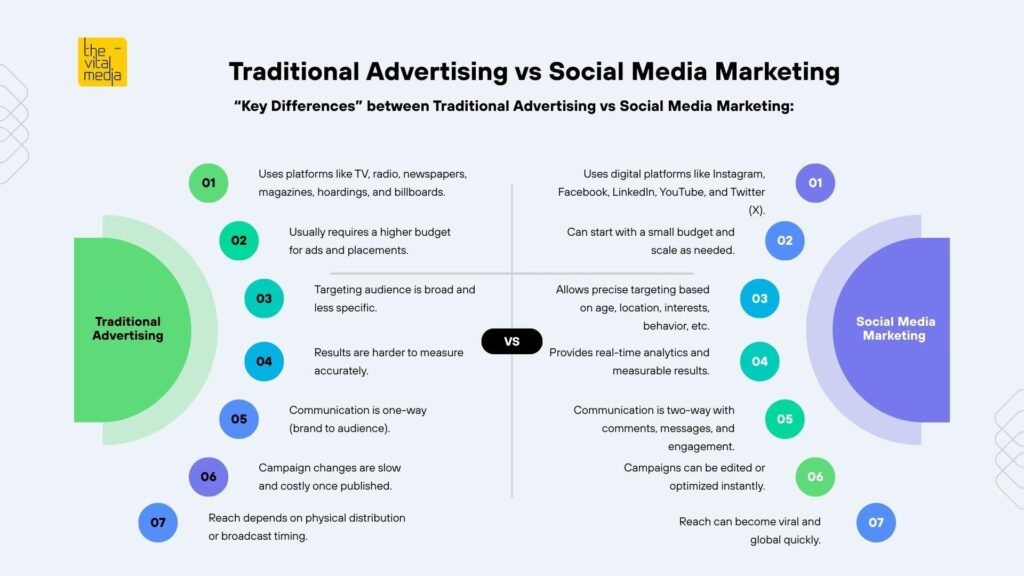
Back then, getting your message out cost a small fortune – long before likes and shares even existed.
Films on TV take big chunks of cash.
Funding large outdoor signs meant spending big.
Only a few papers carried the story.
Most small firms couldn’t reach magazine deals.
Big companies ended up way ahead because of this.
Big companies dominated visibility because they had:
- advertising budgets
- media access
- established distribution
- brand recognition
Yet things got tough for local shops trying to keep up.
Should a startup happen to have:
- a great product
- strong creativity
- innovative ideas
Yet it missed something every time
visibility.
Without clear sight of what was happening, moving forward felt like guessing. Progress slowed when nothing stayed in view.
Out of this came a world where big firms held most of the sway in shaping how products reached people.
Later came digital platforms.
And suddenly, the rules started changing.
Now companies can reach people straight through social platforms.
Now, suddenly, businesses could speak straight to huge crowds without relying on TV channels or print media
Now businesses could:
- publish content instantly
- communicate directly with customers
- build communities online
- create viral campaigns
- grow audiences organically
This completely changed modern marketing.
The Internet Changed How People Pay Attention
What made social media grow so strong?
A major shift in how people act as shoppers. Their habits transformed fast, fueling the rise.
Online hours pile up fast for most folks.
Right now, eyes stick to glowing rectangles. Screens hold what people care about.
Consumers scroll through:
- Instagram feeds
- YouTube videos
- LinkedIn posts
- TikTok content
- X threads
- Facebook reels
- Reddit discussions
every single day.
So competition among companies happens within spaces where focus is pulled in many directions.
Now it’s about more than making things. What matters shifts toward how they fit into lives.
Staying seen becomes tough when everyone keeps sharing nonstop. Visibility slips fast where new posts flood in by the second.
Modern consumers are exposed to:
- advertisements
- creator content
- memes
- news
- tutorials
- influencer promotions
- viral trends
- entertainment
almost nonstop.
Now companies show who they are in new ways.
Folks started tuning out ads more easily, so old-school commercials lost their punch. Interruptions just don’t stick like they used to. What once grabbed attention now slips by unnoticed. Over time, people got skilled at looking away. Messages that worked before began fading into background noise. That shift changed how communication lands. Instead of listening, many simply block it out.
Folks today aren’t keen on constant pushy sales tactics anymore.
They want:
- entertainment
- education
- authenticity
- relatability
- personality
- value-driven content
Here’s the reason content marketing took off.
One day it hit companies – what they stand for matters a lot
Winning focus takes effort, never pressure.
Nowhere else has grabbing people’s focus worked so well as on social platforms.
Social Media Levels Playing Field for Small Businesses
What stands out about social media might be how it narrowed the distance between tiny shops and massive companies. Not long ago, only big players had access to wide audiences. Now a bakery can reach customers just like a national chain does. This shift didn’t happen overnight. Still, tools once limited to those with deep pockets are now common. A single post can spread far without needing a huge team behind it. Size matters less when visibility balances out online. Even someone working alone has ways to connect at scale. Power moved sideways more than upward these days.
A single morning might see a new company spread fast. Suddenly, everyone seems to know its name.
A single voice might echo far wider than expected. Distance means little when stories travel freely. One person’s work could reach corners unseen. Boundaries blur where curiosity leads.
Out of small towns, sometimes big reach grows. One shop’s name travels far when people start noticing. Not always by plan – just steady choices that echo beyond streets nearby.
Even tight budgets won’t block a clever message. Visibility grows when words work hard, not costly. Smart writing sneaks past noise without spending much. A small spend doesn’t mean small reach – ideas stretch further than cash. Cleverness beats funding most days.
Back then, doing this felt like trying to catch smoke with bare hands.
Social media democratized visibility.
Grow your business using these methods:
- creativity
- consistency
- storytelling
- community building
- audience understanding
Large ad spending isn’t the only way.
That’s the reason countless new startups begin by expanding their reach on the internet.
Success sometimes arrives long before a single storefront opens its doors.
Most today’s well-known companies began by
- Instagram pages
- YouTube channels
- TikTok content
- LinkedIn posts
- creator communities
Most firms start small before they grow into big businesses.
Entrepreneurship morphed because of it.
These days, getting products out there feels easier than at any point before.
Yet things are getting tougher out there every day.

Instagram reshaped how brands present themselves
Now, pictures shape brand stories differently because of Instagram. Visual identity shifted under its influence slowly at first then fast. A platform changed everything without warning one day.
Before social media, branding was often limited to:
- logos
- advertisements
- packaging
- store design
Yet Instagram brought along a different kind of branding
lifestyle branding.
Fresh each morning, companies might show who they are without saying a word.
Now people want different things.
People started caring more about:
- aesthetics
- presentation
- visual consistency
- storytelling
- personality
- behind-the-scenes content
People today started looking past nameless brands.
People looked for companies that seemed more like real folks.
This is exactly how Instagram built its influence – through constant visibility, then shifting routines of connection; picture after picture stacking up quietly until habits changed without notice
- fashion brands
- cafes
- fitness companies
- creators
- startups
- D2C businesses
- personal brands
Pictures started winning where words used to rule. A shift unfolded quietly, til showing mattered more than telling.
A brand’s social media feed started functioning like:
- a digital storefront
- a marketing portfolio
- a communication channel
- a trust-building system
Out of nowhere, branding shifted into a faster gear. It moved with new energy, reshaping how it lived in public view.
Now communication shifted beyond ads for companies.
They were communicating daily through content.

YouTube Changed How Trust Is Built
What started as a photo app reshaped how brands look online. Yet it was video sharing that changed how people believe in them.
Long-form video content allowed businesses and creators to:
- educate audiences
- explain products deeply
- share experiences
- build authority
- create stronger emotional connection
Now brands talk to people in ways they never did before.
People could now spend:
- 10 minutes
- 20 minutes
- even hours
People take in posts and videos made by companies and people they believe in.
Strong bonds form when focus reaches that depth.
YouTube became one of the strongest platforms for:
- educational businesses
- tech brands
- financial creators
- entrepreneurs
- coaches
- software companies
- startup founders
Communication grew richer through its presence.
Long pieces of writing build recognition slowly, while brief ads do not.
Familiar faces feel safe because they stick around.
These days, lots of companies expand by sharing helpful information rather than pushing ads hard.
One of the most significant changes in how companies promote products arrived with the internet age.

linkedin reshapes how professionals present themselves online
Out there, LinkedIn changed the game for people and companies trying to stand out on the web.
Previously, professional reputation depended heavily on:
- resumes
- degrees
- corporate positions
- networking events
Yet visibility shifted on LinkedIn.
Now individuals could:
- share ideas publicly
- build thought leadership
- create professional audiences
- grow personal brands
- attract opportunities online
Out of nowhere, new ways of building businesses started showing up in serious fields. A wave of change brought maker-driven models into traditional work areas. Suddenly, personal approaches began shaping how pros grow their operations..
Today:
- founders build audiences
- CEOs create content
- marketers share insights
- startups attract talent through storytelling
LinkedIn became much more than a job platform.
It became:
- a branding platform
- a networking ecosystem
- a trust-building tool
- a business growth engine
Personal branding matters more now because of how people connect online.
Now it’s different – faces beat logos. Trust leans toward individuals, not big names. Personal connections pull ahead where companies once led. Familiar voices gain ground while official statements fade. Real talk rises; polished messages lose grip.
Folks starting companies usually see quicker growth when their online messages hit home. Yet clear communication across digital spaces tends to speed things up quite a bit.
content now stronger than traditional ads
Content marketing grew fast because of social platforms reshaping how companies share messages. Social networks shifted business communication, making stories more central than ads ever were.
Back then, companies would break into people’s time with advertisements.
These days, good content pulls customers toward thriving companies.
This is a major psychological shift.
Instead of saying:
“Buy our product.”
modern businesses often:
- educate
- entertain
- inspire
- inform
- build curiosity
first.
Only after belief forms does offering begin.
Most people today skip ads, yet they will watch a full video if it feels useful. Content marketing fits right into that shift without feeling forced.
Every day, folks turn to the web looking up things like:
- solutions
- information
- reviews
- tutorials
- opinions
- recommendations
- inspiration
Over time, trust builds when a company keeps delivering real worth.
This is why:
- blogs matter
- YouTube channels matter
- LinkedIn posts matter
- newsletters matter
- podcasts matter
Out of nowhere, sharing ideas turned into how things spread. A quiet shift happened when stories started moving on their own.
Staying seen happens more often when updates come out on a regular schedule. Publishing without gaps keeps attention steady.
Over time, being seen builds slowly. Visibility grows stronger the longer it lasts.
The Rise of Creator-Led Businesses
What stands out about social media’s impact? The surge in businesses started by creators themselves. A shift few saw coming.
Once upon a time, famous faces shaped what people followed.
Now creators build massive audiences independently.
People with:
- expertise
- personality
- storytelling ability
- communication skills
Building groups on the internet might lead to selling things later. Starting something together online could become a way to earn money over time.
A fresh way of doing things started here instead.
Today creators launch:
- clothing brands
- agencies
- digital products
- online courses
- software startups
- communities
- newsletters
- media companies
using audience-first growth.
Most makers skip making stuff at the start. They gather people before anything exists.
Money follows once faith is built.
Right now, change feels bigger than ever in how people start businesses.
Attention became leverage.
Now platforms where people share stuff also carry the weight of how creators earn.

Businesses now seem more human
Folks now wait less for replies because of social platforms. A quick answer matters more than it did before screens took over daily chats.
Consumers now expect businesses to:
- respond quickly
- communicate openly
- show personality
- stay active online
- interact with audiences
- participate in trends
- appear authentic
Younger customers often see nameless company messages as old-fashioned.
People connect more deeply with:
- relatable brands
- transparent communication
- founder stories
- behind-the-scenes content
- community interaction
Here’s the reason today’s marketing sounds like a chat between friends.
Businesses increasingly behave like personalities online.
Failing to nurture how people talk at work usually leaves firms disconnected online.
Viral Marketing Altered How Fast Businesses Grow
Back then, brands took their time growing. Before likes and shares ruled everything.
A single moment online might shift everything for a company now.
A single:
- reel
- meme
- tweet
- video
- campaign
One night might bring a flood of attention, numbers climbing fast without warning. A single moment could spark endless streams of eyes drawn in sharply.
A fresh rhythm of expansion began here. Growth started moving differently than before. Now it follows its own pattern, unplanned yet clear.
Some startups grow faster through:
- internet culture
- community sharing
- trend participation
- viral storytelling
Unlike standard ad methods, it reaches people more effectively.
Yet sudden popularity brings complications too.
Chasing quick fame often leaves little room for lasting strength. A rush toward attention can quietly replace the work of growing something steady.
Most times, noticing something doesn’t stick around long enough to matter. Success usually needs more than a quick glance – it demands staying power.
The strongest brands combine:
- visibility
- trust
- product quality
- customer experience
- consistent communication
Viral moments help.
Yet true sustainability demands deeper commitment than a passing phase.
Social Media Turned Customer Feedback Into Something Immediate
Back then, it took firms ages to hear what customers thought.
Feedback arrives without delay these days.
Customers publicly share:
- reviews
- complaints
- experiences
- opinions
- reactions
across platforms constantly.
This increased transparency.
Nowhere to run when customers speak up on the web about bad service. Talk spreads fast once someone shares a rough experience online. A single post can shift how others see a company overnight. Word travels without permission now, straight from user to screen. Reputation moves at the speed of typing, not waiting for approval. Once shared, it sticks – no deleting trust after it leaks out.
Pressure built up around businesses needing to step up their game
- customer service
- product quality
- communication
- accountability
Right away, companies can see what customers really want. Suddenly, useful details about shoppers show up fast.
Smart companies study:
- comments
- engagement patterns
- audience behavior
- feedback loops
to improve continuously.
Social media became both:
- a marketing system
- a market research system
Meanwhile, things happen together.
attention now shapes advantage
Modern businesses operate inside attention economies.
Folks come across countless bits of content every single day.
So now everyone’s fighting just to be seen.
When something is hard to find, its worth goes up.
Today businesses compete not only on:
- pricing
- quality
- features
but also on:
- visibility
- memorability
- audience retention
- engagement
Attention sticks to some names more than others. Those get ahead without shouting. Quiet momentum builds when people keep noticing. Familiarity slips in through repeated sight. Gaining ground happens slower for those who fade between glances
Because attention leads to:
- trust
- familiarity
- audience growth
- customer acquisition
- brand recognition
Familiarity holds real weight when it comes to doing business online.
Familiarity builds slowly when a brand shows up again and again. Trust grows without fanfare over time. Seeing it often makes choosing feel natural.
That’s the reason staying consistent counts big time on the web.
Out of sight, out of mind – when companies fade from daily notice, they tend to slip quietly from recall just as fast.
Businesses Overlooking Social Media Face Challenges
Most companies haven’t caught up with how useful online networks really are.
Some see it as something you can skip.
Yet today’s shoppers tie their habits closely to online spaces.
People now discover brands through:
- reels
- YouTube recommendations
- LinkedIn content
- influencer mentions
- online communities
- search engines
- creator collaborations
Without being seen online, companies struggle to grow. A firm that isn’t visible digitally finds expansion tough. Harder still when no one notices it on the web. Missing from search results slows everything down. Online absence blocks new customers. Growth stalls without digital presence. Visibility problems drag progress backward.
Just because of this, it doesn’t follow that each business should turn into a showbiz name.
Yet each company needs to grasp how online interaction works.
Truth is, shoppers look things up online these days – no matter how hard brands try to avoid scrutiny. They just do.
Digital presence influences:
- credibility
- perception
- trust
- discoverability
Those who shift with new ways of focusing tend to move ahead. Still, staying put means falling behind others slowly.
Failing to pay attention leaves companies unseen by those they hope to reach.
The Future of Business Is Shaped by Communities
What sticks out most from social media’s impact on companies? A sharp reminder about visibility
Now it’s about connection, not just buying things. What matters sits beyond the exchange of cash.
They want connection.
Modern brands increasingly grow through:
- communities
- shared identity
- audience belonging
- interaction
- loyalty ecosystems
Most powerful firms these days seem more like tight groups than formal organizations.
This creates:
- stronger retention
- emotional connection
- word-of-mouth growth
- customer loyalty
Online platforms pushed change faster than ever before.
These days, companies focus on more than goods alone.
Folks gather around what they create. People keep showing up, drawn by something real.
The Hidden Risks of Social Media Use in Business
True, social media opened up a world of chances – yet problems followed close behind.
Businesses now face:
- shorter attention spans
- algorithm dependence
- content pressure
- constant competition
- burnout culture
- comparison culture
Many founders feel pressured to:
- post constantly
- stay visible nonstop
- chase engagement
- follow trends endlessly
When things pile up, tension grows. Shaky patterns start showing.
Now growth feels shaky because algorithms shift all the time.
When a company relies too much on just one system, trouble might start before anyone notices.
For this reason, clever businesses pay attention to:
- long-term brand building
- owned audiences
- email lists
- communities
- multi-platform presence
rather than counting only on shares spreading fast.
Future Entrepreneurs Need Clear Understanding
The modern business landscape is fundamentally different from previous generations.
Today, entrepreneurs must understand:
- digital communication
- audience psychology
- content systems
- social platforms
- community building
- storytelling
- attention economics
Online spaces now shape how things expand. Growth ties closely to digital presence. Where progress moves, it often shifts toward web-based settings.
Just because someone starts a company doesn’t require them to chase fame. Not every leader needs a spotlight. Building something real rarely depends on being seen everywhere. Quiet work often lasts longer than loud voices. Presence online isn’t tied to success offline
Yet knowing how visibility functions matters to each founder.
Future winners among companies might just adapt fast. Those staying ahead often learn quickly. Success could belong to teams embracing change early. Flexibility tends to matter more than size. Growth usually follows responsiveness. Preparedness sometimes beats strategy. Long-term survival links closely to how well they listen. Progress often shows up where curiosity leads
- communicate clearly
- build trust consistently
- create valuable content
- understand audiences deeply
- adapt quickly to digital culture
Suddenly, social media stopped being only about promotion. It now serves wider purposes beyond selling.
Modern business runs on it.

Final Thoughts
Business life shifted when social platforms showed up.
It changed:
- how brands grow
- how audiences discover products
- how trust is built
- how communities form
- how entrepreneurs market themselves
- how startups compete
Out of nowhere, distance stopped mattering so much. Connections grew faster without paperwork slowing things down. Suddenly, old limits just faded away.
Out of nowhere, how you tell a story shapes whether it sticks. What counts today? Showing up the same way every time. Surprisingly, sharing thoughts clearly beats clever tricks. Creativity jumps forward when practice never stops.
Out of nowhere, a tiny firm that gets how tech works might just match giants ten times its size. Digital smarts let it punch way above its weight without needing big budgets or flashy teams.
One shift stands out more than others in how companies operate today.
Yet life online made everything feel like a race.
Harder to grab attention now. Still, people found ways around it.
Now people pick what they buy much more carefully.
Content became endless.
This shifts how companies operate because relying solely on items isn’t enough anymore.
Understanding others is something they need.
Here is why progress shows up these days when…
- psychology
- technology
- storytelling
- branding
- communication
- community
all intersect together.
Those firms grasping this overlap fully are already steering where commerce heads next.
Finally, platforms like Facebook shifted how brands connect – transforming outreach through shared moments rather than ads. A ripple effect touched customer loyalty, altering trust without loud promises. Messages spread differently now, shaped by reactions, pauses, echoes. Old methods faded while new habits grew quietly in their place..
Now growth looks different for companies. How things expanded before no longer fits.